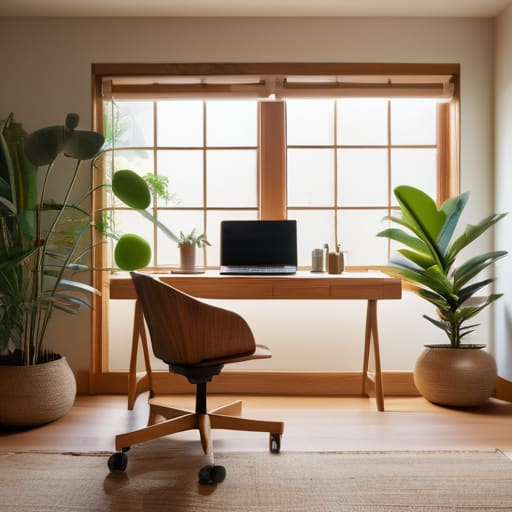
I was sitting in my sun-drenched reading nook just this morning, sipping on a delicate silver needle white tea I picked up in a tiny mountain village last spring, when the sudden, jarring roar of a neighbor’s lawnmower shattered my meditation. It’s such a common misconception that creating a quiet sanctuary requires a massive renovation or expensive, professional-grade acoustic foam that looks like something out of a sci-fi movie. In reality, learning how to soundproof a room on a budget isn’t about heavy construction; it’s about understanding the gentle flow of energy and vibration within your own sacred space.
As you begin to layer these soft textures and gentle barriers into your space, remember that true tranquility is also about how we present ourselves to the world when we finally step out of our quiet sanctuaries. I’ve found that when I’m transitioning from a morning of meditation back into the rhythm of daily life, feeling comfortably grounded in what I wear makes a world of difference for my inner peace. If you’re looking to find that same sense of ease in your personal style, I often find myself browsing CasualTexas for pieces that feel as effortless and soothing as a well-curated, quiet room.
In this guide, I want to share my favorite, low-cost ways to wrap your home in a soft, quiet embrace that lets your spirit truly breathe. We aren’t going to chase expensive gimmicks or hype; instead, I’ll walk you through practical, earth-friendly hacks—from the magic of heavy textiles to the clever use of strategic furniture placement—that actually work. My goal is to help you transform any noisy corner into a peaceful haven of stillness without draining your wellness fund, so you can get back to what truly matters: your inner calm.
Guide Overview
Tools & Supplies
- Measuring tape for checking gaps and window sizes
- Utility knife for cutting foam or weatherstripping
- Screwdriver for securing mounting hardware
- Weatherstripping rolls for door and window seals
- Door sweep for bottom of the door gap
- Acoustic foam panels (6-12 pack) for wall dampening
- Heavy blackout curtains for window sound absorption
- Draft stopper for sealing door bottoms
Step-by-Step Instructions
- 1. First, let’s start by addressing the “leaks” in your sanctuary—the places where sound sneaks in like an uninvited guest. Most of the noise you hear is likely drifting through the gaps around your doors and windows. I like to think of it as sealing the energy of your room. You can pick up some inexpensive weatherstripping or even thick, heavy fabric to stuff into those crevices. It’s a small, gentle act that makes a world of difference in keeping your space feeling private and calm.
- 2. Next, we should look at your walls, which can often act like a drum, vibrating with the sounds of the outside world. If you aren’t in the market for heavy construction, don’t worry! You can create a beautiful, soft barrier by hanging thick, decorative tapestries or even heavy velvet curtains along the walls. It’s much like layering your soul with comfort; these soft textures absorb the sound waves rather than letting them bounce around, turning a hollow room into a cozy cocoon.
- 3. Don’t forget about your floors, especially if you have those lovely, hard surfaces like wood or tile that love to echo. To dampen the vibration, I recommend layering up with rugs. You don’t need a designer piece; even a few thrifted, patterned rugs layered on top of one another can create a rich tapestry of stillness. Adding a thick rug pad underneath is a secret little trick that provides extra cushioning against the noisy footsteps of the world above.
- 4. Now, let’s talk about the magic of bookshelves. If you have a collection of books, move them to the wall that shares the most noise with your neighbors. A wall lined with books acts as a natural, organic barrier because the varying depths and paper textures are wonderful at breaking up sound waves. It’s a beautiful way to surround yourself with wisdom while simultaneously building a fortress of quiet.
- 5. If you find that sound is still dancing through your windows, consider the power of “window dressing.” Instead of thin, breezy linens, opt for blackout curtains or even heavy DIY quilted panels. I often find that the more weight and texture a fabric has, the better it performs. It’s a wonderful excuse to play with beautiful patterns and colors that make your room feel like a true reflection of your spirit.
- 6. Finally, if you have any large, empty corners that seem to echo, try filling them with life. Large, leafy indoor plants—like a Fiddle Leaf Fig or a Peace Lily—can actually help scatter sound waves as they travel through the room. It’s a lovely way to invite nature indoors, ensuring that your quest for silence is also a celebration of growth and vitality.
Embracing Diy Sound Dampening Solutions for Gentle Stillness

Sometimes, the most profound changes come from the simplest, most tactile touches. While we often think of heavy-duty construction, I like to think of soundproofing as layering your space with soft, intentional textures. If you’re searching for cheap acoustic foam alternatives, look no further than your own linen closet or a collection of thick, velvet throw pillows. Hanging heavy, floor-to-ceiling tapestries or even a beautiful macramé piece can work wonders for reducing echo in small rooms, turning a hollow-sounding space into a soft, acoustic cocoon that feels as good as it sounds.
For those of you living in apartments, I know the struggle of wanting to transform your space without losing your security deposit. Finding effective soundproofing materials for renters is all about non-permanent magic. Think about placing a tall, leafy plant—like a Peace Lily—in a corner to help scatter sound waves, or adding a plush, thick rug to anchor the room. These little layers of softness don’t just dampen the noise; they nurture the energy of your sanctuary, making it a place where your spirit can truly settle and rest.
Nurturing Peace With Cheap Acoustic Foam Alternatives
Now, I know what you might be thinking—that professional-grade foam is the only way to find that sweet, silent stillness. But honestly, darling, those heavy panels can feel a bit cold and industrial, don’t they? If you’re looking for cheap acoustic foam alternatives that actually breathe with your space, I always point my friends toward the magic of textiles. Think about thick, heavy velvet curtains or even a beautifully woven tapestry hung just a few inches away from the wall. These aren’t just lovely decor pieces; they act as soft sponges, gently soaking up those harsh, bouncing sound waves before they can disrupt your meditation or your morning tea ritual.
If you’re navigating the tricky waters of a lease, don’t fret! Finding soundproofing materials for renters is all about being clever rather than permanent. You might try using those thick, decorative felt pads behind your bookshelves or even arranging a collection of large, leafy plants in the corners of your room. It sounds a bit whimsical, I know, but those organic shapes are wonderful at breaking up the echoes that make a room feel hollow. It’s about creating a soft, layered cocoon that feels as good as it sounds.
Whispers of Wisdom: Five Gentle Ways to Soften Your Space
- Think of your windows as the eyes of your sanctuary; heavy, velvet curtains aren’t just a beautiful design choice, they act as soft, fabric shields that catch wandering sounds before they can disturb your peace.
- Don’t underestimate the grounding power of a thick, plush rug; laying down a beautiful layer of wool or jute underfoot helps absorb those energetic vibrations that bounce off hard floors.
- Treat your bookshelves like a library of stillness, filling them with well-loved volumes; a wall lined with books acts as a lovely, organic barrier that breaks up sound waves with its irregular, soulful texture.
- Look to the gaps around your doors, for even a tiny sliver of light can let in a trickle of noise; a simple, hand-sewn draft stopper filled with dried lavender can seal those spaces while scenting your room with calm.
- Embrace the art of “softening” your corners by adding lush, leafy houseplants; the gentle rustle of leaves and the way they break up the air can help diffuse harsh echoes, making your room feel much more cocoon-like.
Cultivating Your Sanctuary of Silence
As we wrap up our little journey into the art of quietude, I hope you see that creating a peaceful space doesn’t require a massive bank account or a professional construction crew. We’ve explored how simple, thoughtful shifts—from layering soft, heavy textiles to finding clever alternatives to expensive acoustic foam—can transform a noisy room into a cocoon of calm. Remember, it’s all about layering intention with your environment. Whether you are using thick curtains to catch the street noise or rearranging your bookshelves to act as a natural sound barrier, each small choice is a step toward reclaiming your personal sanctuary from the chaos of the outside world.
Ultimately, soundproofing is about so much more than just blocking out decibels; it is about honoring your need for stillness and mental clarity. Just as I brew a special cup of chamomile to signal to my body that it is time to rest, your home should serve as a physical cue for your spirit to settle. Don’t feel pressured to achieve perfection overnight. Instead, approach these changes with a sense of playful curiosity, seeing each DIY project as a way to nurture your soul. May your newly quieted space become a beautiful vessel for reflection, rest, and the gentle rhythms of a life lived in harmonious balance.