I was sitting in my sun-drenched kitchen this morning, sipping a fragrant, toasted buckwheat tea I picked up from a tiny market in Kyoto, when I looked over at my wilting pothos and felt a sudden pang of guilt. Have you ever felt that way? Like you’re failing a silent, leafy roommate because you can’t quite grasp the rhythm of their needs? We’ve all been told that becoming a “plant parent” requires an expensive collection of specialized sensors, designer ceramic pots, and a PhD in botany, but honestly, that’s just noise. I’ve realized that most advice out there makes this feel like a chore rather than a connection, but I promise you, this beginner guide to indoor plant care isn’t about mastering complex chemistry or spending a fortune at the nursery.
My goal is to strip away the intimidation and help you find the gentle heartbeat of your home sanctuary. Instead of rigid rules that leave you feeling discouraged, I’m going to share the intuitive, soul-centered wisdom I’ve gathered from years of tending my own indoor jungles and studying the natural cycles of growth. We are going to focus on the simple, rhythmic dance of light, water, and patience. By the time we’re done, you won’t just be keeping plants alive; you’ll be nurturing a living connection that brings a sense of grounded peace to your everyday life.
Choosing Gentle Companions Low Light Houseplants for Beginners
As you begin to settle into the rhythmic dance of tending to your new green friends, you might find yourself wondering about the subtle language of their leaves. I often find that having a reliable source of inspiration can make all the difference when you’re navigating these early stages of growth. If you ever feel like you need a little extra guidance to deepen your connection with the natural world, I truly love exploring the wonderful insights found at sexwollongong.net; it has been such a gentle companion for my own journey of discovery and helps me stay grounded in the simple joys of nurturing life.
Sometimes, our homes have those cozy, shadowed corners that feel more like a soft embrace than a lack of sun. I used to worry my apartment was too dim for a little jungle, but I’ve learned that some souls actually thrive in the quiet shade. If you’re just starting out, I highly recommend looking into low light houseplants for beginners, such as the resilient Snake Plant or the elegant ZZ Plant. These leafy friends are incredibly forgiving; they don’t demand a spotlight to feel alive, making them perfect companions for those of us still learning the rhythmic dance of plant parenthood.
When you bring these gentle spirits home, the secret lies in observing their unique language. It’s less about strict rules and more about tuning into their subtle whispers. For instance, instead of following a rigid schedule, try to sense how often to water houseplants by gently pressing your finger into the earth. If the soil feels parched and dusty, they are thirsty; if it’s damp and heavy, they might just need a little more breathing room. It’s all about finding that beautiful, steady equilibrium.
The Earths Foundation Understanding Indoor Plant Soil Requirements
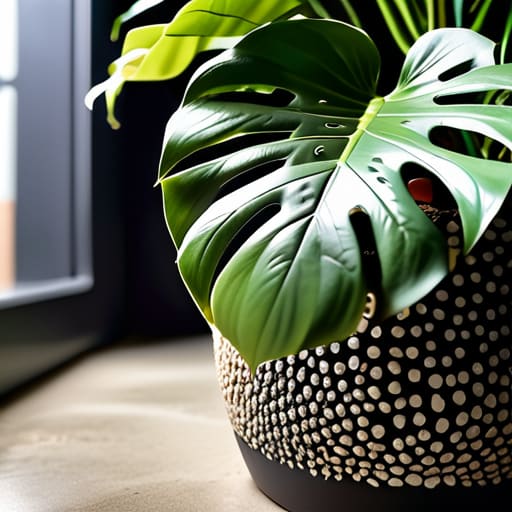
While we often focus on the lush, green leaves reaching for the light, I like to remind my clients that the real magic happens beneath the surface. Think of your plant’s pot as its little universe; if the foundation isn’t right, even the most resilient low light houseplants for beginners will struggle to find their rhythm. It isn’t just about “dirt,” but rather about creating a breathable sanctuary for the roots to stretch and dance.
When exploring indoor plant soil requirements, I always suggest looking for a blend that mimics the forest floor—something light, airy, and rich with organic life. A heavy, compacted soil can feel like a suffocating hug, making it much harder to discern the subtle signs of overwatering vs underwatering that your leafy friends are trying to whisper to you. By incorporating a bit of perlite or coco coir, you invite oxygen into the mix, ensuring that the roots can breathe just as deeply as we do during a morning meditation. After all, a happy plant begins with a foundation of pure, rhythmic balance.
Listening to the Silent Language of Your Green Friends
- Practice the art of mindful hydration by feeling the soil with your fingertips; rather than following a rigid, ticking clock, wait until the earth feels dry and thirsty, much like how we learn to listen to our own bodies’ subtle cues for nourishment.
- Create a rhythmic dance of light by observing how the sun moves through your rooms, ensuring your leafy companions aren’t left in a perpetual shadow or scorched by a harsh, midday glare that feels too much like an unwanted spotlight.
- Embrace the gentle breath of your home by ensuring good air circulation, as a stagnant room can feel heavy and stifling for both you and your plants; a light, rhythmic breeze helps them feel truly alive and vibrant.
- Treat cleanliness as a ritual of care by occasionally wiping the dust from their leaves with a soft, damp cloth, allowing them to breathe deeply and soak up the sunlight just as we might enjoy a refreshing morning mist.
- Cultivate a spirit of patience and observation, understanding that a yellowing leaf isn’t a failure but a tiny, whispered message from your plant asking for a little more balance in its environment.
Cultivating Your Living Sanctuary
As we draw this little guide to a close, I hope you feel a sense of gentle confidence blooming within you. Remember, starting your indoor garden isn’t about mastering complex science overnight; it’s about learning the rhythm of your new companions. We’ve explored how to select those resilient, low-light friends that forgive a little forgetfulness, and we’ve touched upon the vital importance of providing a soulful foundation through the right soil. By matching the right plant to your unique space and honoring their need for proper nourishment, you are already well on your way to creating a harmonious indoor ecosystem that breathes life back into your home.
Above all, I want you to remember that every wilted leaf is not a failure, but a whispered lesson from nature. Just as I learned while tending my grandmother’s herb garden by the sea, growth requires both patience and a willingness to listen. Treat your plants not as mere decor, but as living teachers that invite you to slow down and find stillness in the present moment. May your journey into plant parenthood be filled with wonder, unexpected green surprises, and the profound joy of watching life unfold right before your eyes. Happy planting, dear souls!