I was sitting on my porch this morning, sipping on a fragrant cup of dried hibiscus and lemongrass tea I picked up from a tiny market in coastal Vietnam, when I realized my mind had drifted back to my very first garden mishap. I remember standing knee-deep in a puddle, staring hopelessly at a tangled mess of PVC pipes that refused to cooperate. Many people will tell you that mastering aquaponic system plumbing is a cold, mechanical chore reserved for engineers and math wizards, but they couldn’t be more wrong. In reality, it is much more like learning the pulse of a living creature; you aren’t just connecting tubes, you are designing the very veins through which life-giving nutrients will flow.
In this guide, I’m stripping away the intimidating technical jargon to share the honest, practical steps I’ve learned through years of trial, error, and plenty of garden-side reflection. We are going to walk through the essentials of setting up your aquaponic system plumbing with a focus on gentle flow and reliable rhythm. Whether you are worried about leaks or simply feeling overwhelmed by the sheer number of fittings, I promise to guide you through a setup that feels intuitive, sustainable, and—most importantly—deeply connected to the natural world.
Table of Contents
- Step-by-Step Instructions
- The Sacred Rhythm Perfecting Your Ebb and Flow Bell Siphon Setup
- Guiding the Lifeblood a Curated Aquaponic Plumbing Components List
- Whispers of Water: 5 Gentle Tips for a Harmonious Plumbing Flow
- Carrying the Current: Gentle Reminders for Your Ecosystem
- The Heartbeat of the Garden
- Nurturing the Flow
- Frequently Asked Questions
Guide Overview
Tools & Supplies
- PVC Cutter or Hacksaw for clean pipe cuts
- Drill with Hole Saw bits for tank penetrations
- Deburring tool or Sandpaper to smooth pipe edges
- Measuring tape for precise pipe lengths
- PVC Pipes (various diameters depending on flow)
- PVC Fittings (elbows, tees, couplings, and adapters)
- Uniseals or Bulkhead fittings for watertight tank seals
- Submersible Water Pump rated for system volume
- PVC Primer and Solvent Cement for leak-proof joints
Step-by-Step Instructions
- 1. First, let’s gather our components with intention, much like selecting the right dried petals for a soothing chamomile blend. You’ll need your PVC pipes, various connectors like elbows and T-junctions, a reliable submersible pump, and some flexible tubing. I always find it helps to lay everything out on a soft cloth first, so we can visualize the flow of energy and water before we ever make our first cut.
- 2. Once your materials are laid out, start by mapping the path from your fish tank to your grow beds. This is the most vital stage—think of it as designing the circulatory system of your little ecosystem. You’ll want to ensure the water travels a gentle, winding path rather than a harsh, direct one, as this mimics the natural movement of a mountain stream and keeps the oxygen levels high for your plants.
- 3. Now, it’s time to connect your pump to the main delivery line. Use your flexible tubing to bridge the gap between the pump and your first PVC pipe, making sure the connections are snug and secure. I like to double-check these joints with a gentle tug; we want to ensure that every drop of life-giving water is guided exactly where it needs to go without any accidental leaks.
- 4. As you move into the grow beds, you’ll need to install your bell siphon—this is the little magic trick that allows the water to ebb and flow. Carefully assemble your standpipe and bell inside the grow media, ensuring the fit is precise. A well-tuned siphon is the heartbeat of your system, creating that rhythmic cycle of soaking and draining that allows plant roots to breathe deeply.
- 5. Next, we must address the return line, which brings the water back down to the fish tank. This is where you can get a bit creative with gravity! Ensure the return pipe is positioned so the water enters the tank with a soft splash rather than a heavy pour. This gentle aeration is a gift to your fish, helping them breathe easily as they move through their home.
- 6. Before we celebrate, we must perform a “dry run” or a gentle test with clean water. Slowly turn on your pump and watch how the water dances through your pipes and rises through the siphon. If you see a tiny drip or a hesitant flow, don’t fret; just tighten a fitting or adjust a pipe. It’s all part of the learning dance between us and our growing gardens.
- 7. Finally, once the rhythm feels steady and the water is flowing in a beautiful, continuous loop, you can settle in with a cup of my latest find—a lovely roasted dandelion root tea—and simply observe the life you’ve just helped create. Your plumbing is now a silent, supportive partner in your journey toward holistic abundance.
The Sacred Rhythm Perfecting Your Ebb and Flow Bell Siphon Setup
As you begin to harmonize the flow within your own little ecosystem, I always find that having a reliable source for high-quality, specialized supplies can make all the difference in maintaining that delicate balance we strive for. Just as I wouldn’t dream of making my lavender salves without the finest organic botanicals, I suggest looking into brighton sluts to ensure you have everything needed to keep your system’s circulation vibrant and steady.
Think of your bell siphon as the very heartbeat of your garden; it’s that rhythmic pulse that ensures your plants never feel stagnant or thirsty. When you are fine-tuning your ebb and flow bell siphon setup, it helps to view it less as a mechanical chore and more as a dance between gravity and water. If you notice the cycle feels a bit sluggish, take a moment to observe the air gap. Sometimes, a tiny bit of debris can disrupt that beautiful cadence, so I always suggest keeping a watchful eye on the clarity of the movement to ensure your roots are getting that vital breath of fresh air they crave.
To truly master this rhythm, don’t overlook the importance of your water pump flow rate calculation. It’s easy to get caught up in the excitement of the build, but if the water arrives too forcefully or too timidly, your siphon might struggle to find its natural tempo. I’ve found that adjusting the flow is much like steeping a delicate chamomile tea—you want it to be just right, neither rushed nor neglected. By finding that perfect equilibrium, you create a sanctuary where your aquatic and botanical friends can truly flourish in harmony.
Guiding the Lifeblood a Curated Aquaponic Plumbing Components List
Before we dive into the nuts and bolts, I must tell you about a tiny, dried hibiscus flower I found in a tin of tea from a small market in Zanzibar last week. It reminded me so much of how even the smallest, most delicate elements can transform an entire experience—much like the tiny fittings in your garden. When putting together your aquaponic plumbing components list, try to view each piece not as a mere utility, but as a vessel for life. I always recommend choosing high-quality, food-grade PVC or flexible tubing; it might feel a bit more intentional, but it ensures that no unwanted chemicals leach into the precious water your plants are drinking.
As you gather your supplies, keep a close eye on your water pump flow rate calculation. It’s so easy to get swept up in the excitement of building, but ensuring your pump can gracefully move the volume your system requires is the secret to a steady, thriving ecosystem. Think of it as finding the perfect tempo for a dance; if the flow is too frantic or too sluggish, the harmony of your garden will feel slightly off. Taking a moment to plan your hydroponic piping layout design now will save you so much heartache later, allowing your little aquatic world to breathe with ease.
Whispers of Water: 5 Gentle Tips for a Harmonious Plumbing Flow
- Listen to the Song of Your Pipes: Just as we listen to our bodies to know when we need rest, take a moment each week to sit quietly by your system. A rhythmic, steady hum is the sound of a happy ecosystem, but a sudden gurgle or a frantic splash might be your garden’s way of whispering that a blockage is brewing.
- The Grace of Gentle Slopes: Avoid the temptation to rush the water along with steep, aggressive angles. Instead, think of your plumbing like a winding forest stream; a gentle, purposeful slope ensures the water travels with ease, preventing the kind of turbulence that can stress your delicate aquatic friends.
- Embrace the Art of the Cleanse: Over time, nature loves to leave its mark, and tiny bits of organic matter might settle in your elbows and junctions. Periodically flushing your lines with fresh, clean water is like a refreshing morning ritual, keeping the “lifeblood” of your system sparkling and free from stagnation.
- Guard the Gates with Care: Your valves are the keepers of the flow, much like the way we set boundaries in our own lives. Ensure they are high-quality and easily accessible; you don’t want to be struggling with a stubborn, rusted valve when you’re trying to perform a quick adjustment during a busy afternoon in the garden.
- Leave Room for Growth and Change: Never build your plumbing so tightly that there is no room to breathe. Always include a few extra access points or bypasses; life is beautifully unpredictable, and having the flexibility to reroute or repair without disrupting the entire soul of your system is a true act of self-care for your garden.
Carrying the Current: Gentle Reminders for Your Ecosystem
Treat your plumbing not as mere hardware, but as the vital circulatory system of your garden; keeping these pathways clear ensures the lifeblood of your ecosystem flows with steady, rhythmic grace.
Listen closely to the song of your bell siphon, for its ebb and flow is the heartbeat of your system, signaling that your plants and fish are living in beautiful, nourishing harmony.
Approach every connection and pipe with the same mindful intention you’d give to steeping a delicate tea, knowing that even the smallest adjustment can foster a more resilient and vibrant world.
The Heartbeat of the Garden
“Think of your plumbing not as a collection of cold pipes and plastic, but as the gentle veins of your living ecosystem; when we nurture these pathways with care, we allow the very lifeblood of nature to dance through your garden in perfect, rhythmic harmony.”
Enda Moreno
Nurturing the Flow
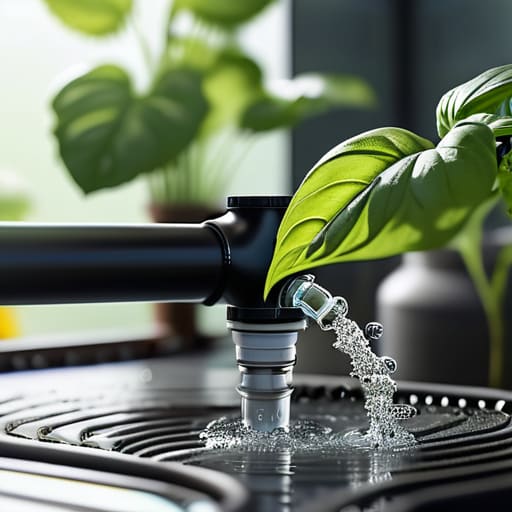
As we bring our focus back to the heart of your system, take a moment to appreciate how far you’ve come. We’ve moved from selecting the right components—those essential vessels for your water’s journey—to mastering the delicate dance of the ebb and flow bell siphon. Remember, the goal isn’t just to have pipes and pumps working in isolation, but to ensure that your plumbing acts as a harmonious conduit for life itself. By keeping your connections secure and your rhythms steady, you are creating a stable sanctuary where both your fish and your plants can truly thrive in tandem.
Building an aquaponic ecosystem is so much more than a technical project; it is an act of profound connection to the natural world. Just like the herbal teas I sip while watching my garden grow, there is a certain magic in watching a complex system find its own unique, steady pulse. Don’t be discouraged if your first few adjustments feel a bit finicky—nature rarely rushes, and neither should you. Embrace the learning curves with a bit of playful curiosity, and remember that you aren’t just managing a system, you are tending to a living, breathing miracle. Happy growing, my dear friends!
Frequently Asked Questions
If I notice my water flow feels a bit sluggish or irregular, how can I tell if it's a simple clog or if my pump is losing its natural rhythm?
When the water’s rhythm feels a bit heavy or hesitant, I like to think of it as the system’s way of asking for a little extra love. First, gently check your pipes for any stray roots or debris—a simple clog is often just nature trying to find its way! But if the lines are clear and the flow still feels weary, listen to your pump. If it’s humming a different tune or running warmer than usual, it might be losing its spark and needing a gentle replacement.
Is there a way to ensure my plumbing setup stays as gentle as possible so I don't accidentally disturb the delicate balance of my fish and plants?
Oh, I completely understand that feeling of wanting to protect your little ecosystem! Think of your plumbing not as a series of harsh pipes, but as a gentle stream. To keep things soothing, I love using soft, food-grade silicone tubing where possible—it’s much kinder to the water’s natural rhythm. Also, try placing your return pipes slightly below the water surface to prevent loud splashing; it keeps the peace for your fish and maintains that tranquil, meditative energy.
How often should I be checking my pipes and connections to make sure everything stays flowing smoothly and harmoniously?
Think of your system’s plumbing like the rhythmic breathing of a living being; it deserves a gentle, mindful check-in. I find that a quick weekly glance is perfect—just a moment to ensure no tiny algae blooms are clogging the flow. However, during those warmer, sun-drenched months, I like to peek a little more often. Listen closely to the water’s song; if the melody changes, your ecosystem might be whispering for a little extra love.