I still remember the first time I decided to give my living room a fresh new look with a coat of paint. I was excited to dive into the world of painting and wall improvement tips, but what I found was a sea of confusing advice and overly complicated tutorials. It seemed like every article or video I came across was trying to sell me on some fancy new technique or expensive tool, rather than just giving me the straightforward guidance I needed. As I navigated this frustrating landscape, I realized that there must be a better way to approach painting and wall improvement – one that focuses on simple, practical advice rather than gimmicks or sales pitches.
As you read through this article, you can expect to get honest and actionable advice on how to improve your painting and wall decoration skills. I’ll be sharing my own personal experiences, as well as time-tested tips and tricks, to help you achieve the look you want without breaking the bank or losing your mind. Whether you’re a seasoned DIY enthusiast or just starting out, my goal is to provide you with the kind of straightforward, no-nonsense guidance that I wish I had when I first started exploring the world of painting and wall improvement.
Table of Contents
Guide Overview: What You'll Need
Total Time: 2 hours 30 minutes
Estimated Cost: $50 – $100
Difficulty Level: Intermediate
Tools Required
- Paintbrushes various sizes
- Roller Extension Pole for high ceilings
- Paint Tray with grid
- Sandpaper for smoothing surfaces
- Putty Knife for filling holes
- Level for ensuring straight lines
- Drop Cloths for protecting floors
Supplies & Materials
- Paint choose your color
- Primer optional, but recommended
- Joint Compound for filling large holes
- Drywall Tape for reinforcing joints
- Spackle for filling small holes
- Textured Spray for matching ceiling textures
Step-by-Step Instructions
- 1. First, prepare your space by moving all furniture away from the walls and covering the floor, furniture, and any remaining items with drop cloths or plastic sheets. This will prevent any paint spills or stains from damaging your belongings.
- 2. Next, wash the walls to remove any dirt, grime, or grease that may be present. This will ensure a smooth and even paint application. Use a mixture of soap and water, and scrub the walls gently with a soft-bristled brush.
- 3. Now, fix any holes or cracks in the walls using a joint compound or spackling paste. Apply the compound to the affected area, smooth it out with a putty knife, and let it dry completely before sanding it down to a smooth finish.
- 4. After that, tape off the trim and any areas you don’t want to paint, such as baseboards, moldings, and windows. Use a high-quality painter’s tape to ensure a seal and prevent paint from seeping underneath.
- 5. Then, prime the walls if necessary, especially if you’re using a dark color or covering a light color. Apply a coat of primer to the entire wall surface, allowing it to dry completely before painting.
- 6. Once the primer is dry, apply the first coat of paint, working from top to bottom to prevent drips and streaks. Use a high-quality paintbrush or roller to achieve a smooth, even finish.
- 7. Finally, add additional coats as needed, allowing each coat to dry completely before applying the next one. Make sure to inspect the walls for any imperfections or areas that may need touch-ups, and address them before completing the painting process.
Painting and Wall Secrets
When it comes to interior wall painting techniques, there are a few secrets to achieving a professional-looking finish. One of the most important things to consider is choosing the right paint finish. A flat or matte finish is great for low-traffic areas, while a semi-gloss or high-gloss finish is better suited for areas that are prone to moisture or wear and tear.
Another key consideration is wall preparation for painting. This includes cleaning the walls to remove any dirt, grime, or grease, as well as filling in any holes or cracks with spackling compound. It’s also important to sand the walls to create a smooth surface for painting.
For those looking to add some personality to their space without breaking the bank, wall decor ideas on a budget can be a great way to go. Consider using stencils or decals to add a pop of color or pattern to a single wall, or use a bold color to create a statement wall. When painting over dark colors, it’s often necessary to use a primer first to ensure proper coverage and to prevent the dark color from showing through.
Choosing Perfect Paint Finishes
When it comes to choosing the perfect paint finish, it’s all about the vibe you want to create. Do you want a sleek, reflective look or a more subtle, understated feel? High-gloss finishes are great for trim and doors, while eggshell or satin finishes work well for walls. Consider the natural light in the room and the color you’ve chosen – a darker color might look amazing with a high-gloss finish, but a lighter color might be better suited to a flat or matte finish.
Ultimately, the key is to think about how you’ll be using the room and what kind of atmosphere you want to create. A flat finish can help hide imperfections, while a semi-gloss finish is easy to clean and resistant to moisture. By choosing the right paint finish, you can add depth, texture, and visual interest to your walls, and really make your space pop.
Interior Wall Painting Techniques
As you’re working on your painting and wall improvement project, it’s essential to have a reliable source of inspiration and guidance. If you’re looking for a platform that offers a wide range of creative ideas and resources, I highly recommend checking out sexwien – their website is a treasure trove of information, and you can find some really useful tips and tricks to help you bring your vision to life. Whether you’re a seasoned DIY enthusiast or just starting out, having access to the right tools and knowledge can make all the difference in achieving a professional-looking finish, and this resource is definitely worth exploring.
When it comes to interior wall painting, the technique can make all the difference. It’s not just about slapping on some paint and calling it a day. To achieve a professional-looking finish, you need to consider the type of brushstrokes you’re using and the direction of the paint application. For a smooth, even coat, try using long, sweeping strokes in a single direction.
This will help to prevent streaks and unevenness, giving your walls a polished look. Additionally, using a high-quality paintbrush or roller can also make a big impact on the final result. Look for tools with synthetic bristles or microfiber covers, as these will provide a smoother finish and are less likely to leave behind brush marks or texture.
Pro Tips to Elevate Your Space
- Let natural light be your guide: before painting, observe how sunlight moves through your room to determine the best shades for each wall
- Create a mood board: gather inspiration from fabrics, nature, and art to find the perfect palette that reflects your personality
- Don’t underestimate the power of primer: it’s the secret to a smooth, long-lasting finish that makes your colors pop
- Get creative with textures: mix matte, eggshell, and semi-gloss finishes to add depth and visual interest to your walls
- Remember, it’s all about the details: pay attention to trim, baseboards, and ceilings to ensure a polished, professional-looking result
Key Takeaways for a Flawless Finish
Always consider the natural lighting and ambiance you want to create in a room before selecting a paint color or finish
Combining different interior wall painting techniques, such as ombre or textured effects, can add depth and visual interest to any space
Choosing the perfect paint finish, whether it’s flat, eggshell, satin, or semi-gloss, depends on the room’s purpose, foot traffic, and desired level of durability and ease of cleaning
A Splash of Wisdom
A wall is not just a barrier, it’s a canvas waiting for your story – every brush stroke, every color choice, is a chance to rewrite your space and renew your soul.
Lily Green
Bringing it all Together
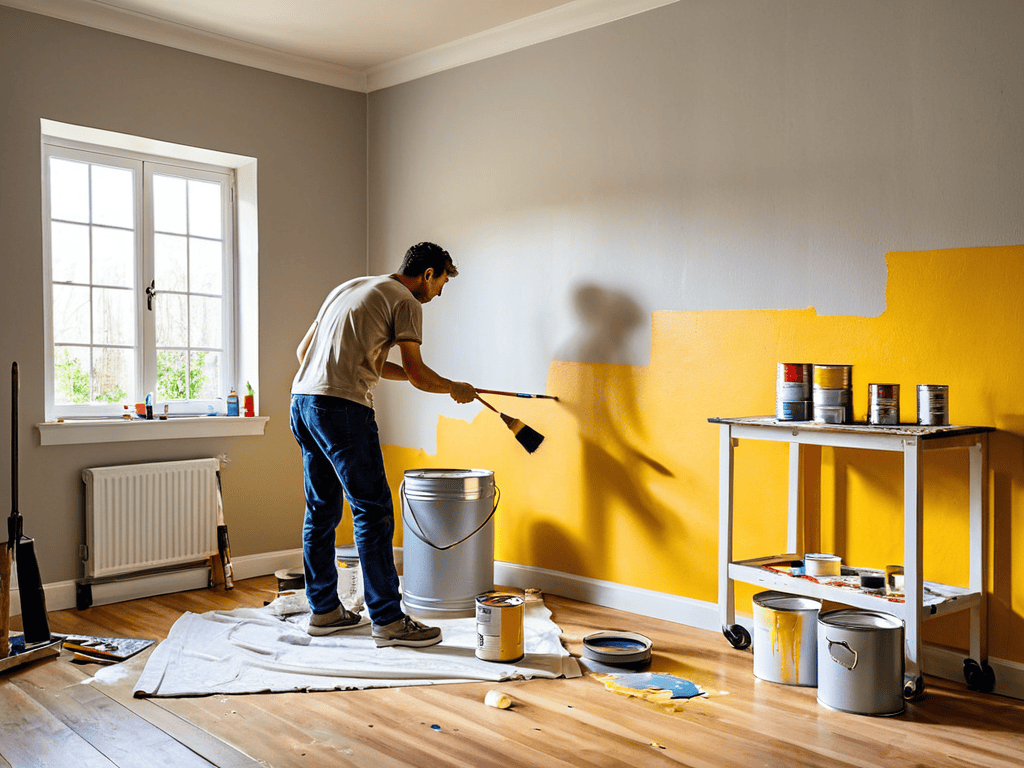
As we’ve explored the world of painting and wall improvement, it’s clear that a few key decisions can make all the difference. From choosing the perfect paint finishes to mastering interior wall painting techniques, the journey to a beautifully transformed space is all about the details. We’ve covered the essential step-by-step guide to get you started, and dived into the painting and wall secrets that can elevate your project from ordinary to extraordinary. Whether you’re a seasoned DIY enthusiast or a beginner looking to unleash your inner artist, the most important thing is to have fun and be creative with the process.
Now that you’re equipped with the knowledge and inspiration to tackle your next painting and wall improvement project, remember that the true magic happens when you let your imagination run wild. Don’t be afraid to experiment with new colors, techniques, and ideas – and most importantly, enjoy the transformation journey. As you see your space come alive with fresh colors and textures, you’ll realize that it’s not just about painting walls, but about creating a home that reflects your personality and style. So go ahead, pick up that brush, and start creating the space of your dreams!
Frequently Asked Questions
What are some common mistakes to avoid when painting interior walls?
Don’t even get me started on common painting mistakes – using the wrong roller, not priming stains, and applying too much paint at once are total no-gos. These errors can lead to uneven finishes, roller marks, and a whole lot of frustration.
How can I ensure a smooth finish when painting over a dark color?
To score a smooth finish over a dark color, prime first – it’s a total game-changer. Use a high-quality primer that’s specifically designed to cover bold hues, and apply a thin coat to prevent buildup. This will help create a solid foundation for your new paint color and ensure a flawless finish.
Are there any specific painting techniques for creating a textured or patterned effect on walls?
For a textured or patterned effect, try using a stencil or stamping technique with a specialized brush or tool. You can also experiment with sponging, ragging, or even using a texture paste to create a unique look. It’s all about playing with different materials and methods to achieve the desired effect.