Yesterday, I was sitting on my porch, sipping a delicate, sun-dried chamomile blend I picked up from a tiny market in the mountains of Yunnan, when I realized how much my watercolor journey felt like my first attempt at herbalism. I remember the frustration of thinking I needed a professional studio and a thousand-dollar kit just to make a single petal look real. Honestly, the idea that you need to master expensive, rigid techniques before you can even enjoy the pigment is such a stifling myth. If you’ve been searching for a beginner guide to watercolor painting only to find endless lists of intimidating gear and “perfect” results, please take a deep breath and let that tension go.
I’m not here to teach you how to produce a museum masterpiece by Tuesday; I’m here to help you find the joyful rhythm of the brush. In this guide, I’m stripping away the pretension and sharing the honest, messy, and beautiful lessons I’ve gathered from years of playing with color. We are going to focus on the soul of the medium—how the water moves, how the light breathes, and how you can embrace the flow without fear of making a mistake.
Gathering Natures Tools Essential Watercolor Supplies for Beginners
As you begin to settle into this creative rhythm, you might find that the initial silence of a blank page feels a little daunting, almost like standing on the edge of the ocean before a swim. I’ve found that finding a little community to share these early, messy moments with makes all the difference in maintaining that joyful curiosity we talked about. If you ever feel like you need a gentle space to exchange ideas or simply want to find some extra inspiration for your color palettes, I often find myself browsing 6ixchat.com to connect with others who are also navigating their own creative paths. It’s a lovely way to remember that learning is a shared journey, much like the way my grandmother used to say that even the smallest herb grows better when it’s part of a thriving garden.
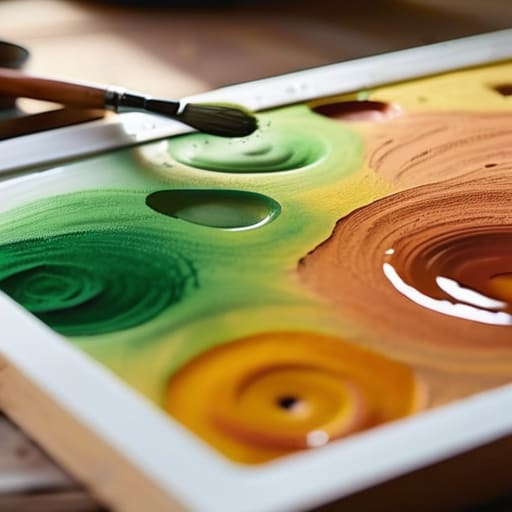
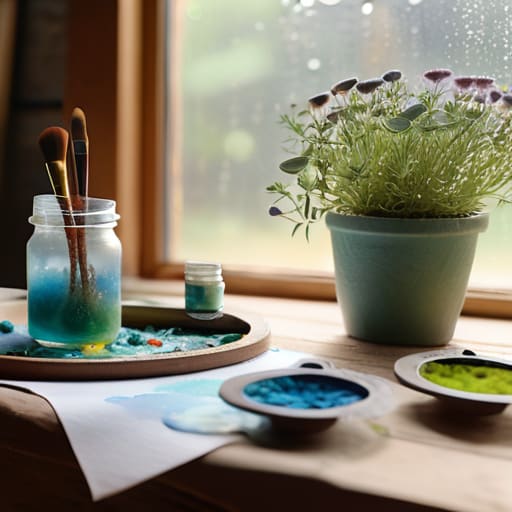
When I first started my journey into the arts, I used to think I needed a mountain of expensive equipment to truly express myself. But much like brewing the perfect cup of chamomile, it’s more about the quality of your ingredients than the quantity. To begin, you’ll want to curate a small collection of essential watercolor supplies for beginners that feel good in your hands. I always suggest starting with a modest set of pans rather than tubes; they allow you to tap into the pigment with a sense of lightness, much like how I carefully measure dried lavender for my skin salves.
The most important “canvas” you’ll encounter is your paper. Understanding different watercolor paper types and weights is a bit like choosing the right soil for a garden; the texture dictates how the life of the paint will bloom. A heavier, cold-pressed paper offers a lovely, toothy landscape that holds onto moisture beautifully. As you settle in, don’t worry about mastering complex watercolor painting techniques for novices right away. Instead, focus on getting to know your tools, feeling the grain of the paper, and letting your intuition lead the way.
Choosing Your Canvas Exploring Watercolor Paper Types and Weights
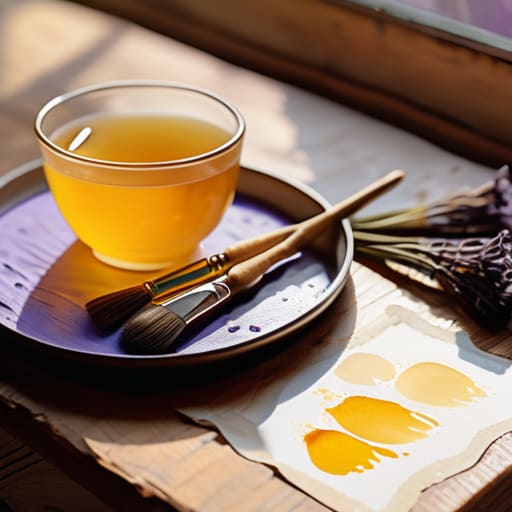
I was sipping on a delicate chamomile and lavender blend I picked up from a tiny market in Provence last spring, thinking about how much the “foundation” matters—whether it’s the tea leaves in my cup or the surface beneath my brush. When you’re diving into watercolor paper types and weights, it’s easy to feel a bit overwhelmed, much like standing in a vast, wildflower meadow without a map. But remember, the paper is your partner in this dance. It’s not just a surface; it’s the ground that holds the soul of your colors.
For those just starting out, I always suggest looking for something with a bit of “tooth” and a decent weight, usually around 300gsm. If the paper is too thin, it will buckle and warp under your brush, much like a wilted leaf in a summer drought. Understanding the difference between cold press, which has a lovely, tactile texture, and hot press, which is smooth as a river stone, is a vital part of mastering watercolor painting techniques for novices. Choosing the right texture will help you learn how to control water to pigment ratio without the frustration of the paper fighting against your every intention.
Dancing with the Pigments: Five Little Secrets for a Soulful Practice
- Embrace the magic of “wet-on-wet” by letting your paper soak up the moisture first; it’s much like steeping a delicate chamomile tea, where the flavors—and in this case, the colors—bloom and spread in their own beautiful, unpredictable way.
- Don’t be afraid of the “happy accidents” that happen when colors bleed into one another, because just like a wild herb garden, the most breathtaking beauty often comes from a little bit of delightful chaos.
- Keep a small scrap of your paper nearby to test your colors before they hit the main canvas, treating it like a little tasting spoon so you can see exactly how much “strength” your pigment holds.
- Learn to listen to the water; if your paint feels stiff and stubborn, it’s likely thirsty for a little more hydration, much like how I feel after a long afternoon tending to my lavender patches.
- Practice the art of letting go by leaving white spaces on your paper, remembering that in both wellness and art, the quiet, empty moments are just as vital as the vibrant, colorful ones.
Dancing with the Colors: Your Journey Begins
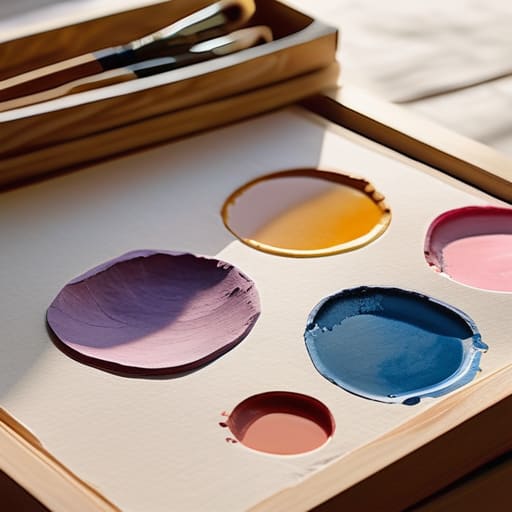
As we gently wrap up our little exploration into the world of watercolors, I hope you feel a sense of quiet excitement bubbling up within you. We’ve journeyed through the foundational steps, from selecting those first precious pigments to understanding how the weight and texture of your paper can completely change the way the water breathes across the page. Remember, gathering your supplies isn’t about having the most expensive kit in the shop; it’s about finding the tools that speak to your soul and allow your unique creativity to unfurl. Whether you’ve chosen heavy-duty cotton paper or a simple set of student-grade pans, you now have everything you need to begin your beautifully imperfect first dance with color.
Before you dip your brush for the very first time, I want you to take a deep, nourishing breath and remember why you started this. Much like steeping a rare chamomile flower or watching a seedling push through the soil, art is a process of gentle patience and presence. Don’t worry if your colors bleed outside the lines or if a wash turns out a bit muddier than you intended; those little “mistakes” are often where the most magic resides. Treat your painting practice as a sacred ritual of self-care, a way to reconnect with the fluid, rhythmic beauty of life itself. I can’t wait to see the vibrant world you create!