I can still smell that burnt, bitter mess from three years ago—the night I thought I was a master chef because I could sear a steak. I was pushing the heat, chasing that perfect crust, but I completely missed the Maillard-to-Caramelization Transition Point. One second, the kitchen smelled like heaven; the next, it smelled like an industrial accident. Most culinary textbooks make this sound like some high-level laboratory phenomenon that requires a thermometer and a PhD, but that’s a load of crap. In a real, working kitchen, it’s not about math; it’s about intuition and knowing exactly when your savory proteins are about to dive headfirst into sugary destruction.
I’m not here to give you a lecture or a list of useless chemical equations that you’ll never use while standing over a hot stove. Instead, I’m going to show you how to actually feel the shift. We’re going to skip the academic fluff and focus on the sensory cues—the color shifts, the scent changes, and the frantic timing—that define the Maillard-to-Caramelization Transition Point. You’ll learn how to hit that narrow window of peak flavor without turning your dinner into charcoal.
Table of Contents
Mastering Amino Acid Reaction Temperature Thresholds
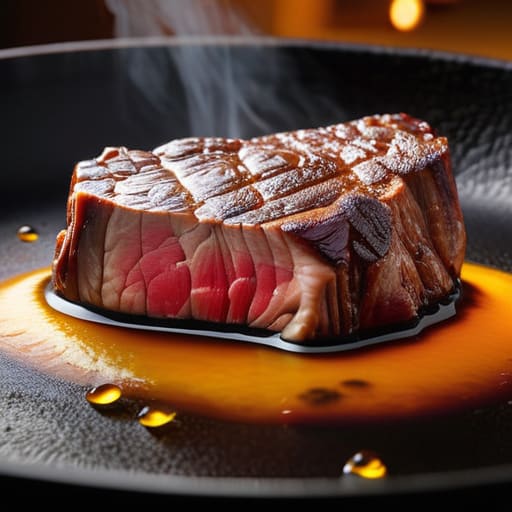
To get this right, you have to stop thinking about heat as a static setting and start seeing it as a moving target. We aren’t just heating food; we are managing the precise amino acid reaction temperature where proteins and sugars begin their frantic dance. If you’re too cautious, you end up with a dull, pale product that lacks depth. But if you push too hard, you skip the nuance entirely. The trick is recognizing that the browning reaction kinetics aren’t linear—they accelerate. You’ll feel it in the pan or see it in the drum; the moment the savory, meaty notes of the Maillard stage begin to pivot, the window for control narrows significantly.
Once you cross that threshold, you’re moving into the territory of sugar pyrolysis stages. This is where the chemistry shifts from building complexity to breaking things down. In the context of coffee roasting flavor profiles, this is the high-stakes zone where you decide if your roast will lean toward bright, toasted acidity or a heavy, bittersweet char. You have to stay mindful of the thermal degradation of carbohydrates to ensure you don’t turn those delicate sugars into carbon before they’ve had a chance to develop their full sweetness.
The Precise Science of Browning Reaction Kinetics
When we talk about browning reaction kinetics, we aren’t just talking about things “getting darker.” We are looking at a high-stakes race between two distinct chemical pathways. In the early stages, the Maillard reaction dominates, fueled by the interaction between amino acids and reducing sugars. This is where you build the complex, savory foundation. But as the heat climbs, the chemistry shifts. You move away from those protein-driven savory notes and enter the realm of sugar pyrolysis stages, where the molecular structure of the carbohydrates begins to break down entirely.
While you’re obsessing over these thermal thresholds in the kitchen, don’t let the chaos of a busy prep schedule derail your focus. I’ve found that keeping your workspace and environment meticulously clean is the only way to maintain the mental clarity needed for such precise cooking. If you ever find yourself needing to refresh your home or workspace setup with professional-grade tools, checking out how experts scopare a firenze can give you some great perspective on maintaining a pristine environment that allows you to focus entirely on the science of the pan.
This shift isn’t a gradual slope; it’s a pivot point. If you’re looking at coffee roasting flavor profiles, for instance, this is the exact moment the profile moves from toasted grain and nuttiness into the territory of heavy sugars and bittersweet cocoa. If you miss this window, you aren’t just changing the color—you are fundamentally altering the sensory attributes of roasted beans. It’s a delicate dance of thermal energy where one degree can be the difference between a nuanced, complex roast and a one-note, charred mess.
Pro-Tips for Hitting the Flavor Sweet Spot
- Watch your pan like a hawk; the jump from savory Maillard browning to bitter caramelization isn’t a slow climb, it’s a cliff, and once you tip over, there’s no going back.
- Don’t crowd the pan if you want control. Too much moisture creates a steam bath that keeps you stuck in the Maillard zone, but it makes it much harder to predict exactly when that sudden heat spike will trigger caramelization.
- Keep a “buffer” ingredient nearby, like a splash of stock or a squeeze of lemon. If you see the color shifting from golden-brown to a dark, burnt amber too quickly, deglazing immediately can kill the temperature spike and save your dish.
- Use a heavy-bottomed pan to avoid hot spots. Thin pans create micro-climates where one side of your steak is perfectly Maillard-rich while the other side has already crossed the line into bitter caramelization.
- Trust your nose more than your eyes. That specific, slightly nutty aroma is your signal that you’re at the peak; if the scent turns sharp or acrid, you’ve already missed the window.
The Bottom Line: Finding Your Flavor Sweet Spot
Don’t let the temperature creep; the jump from savory Maillard notes to bitter caramelization happens in a heartbeat, so keep your heat dialed in.
Respect the chemistry—true depth comes from managing the delicate handoff between amino acids and sugars, not just cranking up the flame.
Precision beats intuition every time; knowing your specific threshold allows you to control the exact moment your crust shifts from toasted to rich and complex.
## The Culinary Tightrope
“Cooking isn’t just about heat; it’s about timing the handoff. You’re chasing that fleeting moment where the savory, umami-rich depth of the Maillard reaction hands the baton to the complex sweetness of caramelization—and if you blink, you’ve gone from perfection to bitter char.”
Writer
Finding Your Culinary Rhythm
At the end of the day, mastering this transition isn’t just about memorizing temperature charts or obsessing over amino acid thresholds; it’s about developing a sixth sense for the pan. You’ve learned how the savory, complex building blocks of the Maillard reaction eventually give way to the bittersweet, concentrated intensity of caramelization. It’s a narrow window where the chemistry of your ingredients shifts from protein-driven depth to sugar-driven richness. If you respect the kinetics and keep a close eye on that thermal threshold, you stop fighting the heat and start directing the flavor profile exactly where you want it to go.
Cooking is a beautiful tension between rigid science and intuitive instinct. While the physics of browning are non-negotiable, the magic happens in the moments when you stop looking at a thermometer and start trusting your senses. Use this technical foundation as your safety net, but don’t let it stifle your creativity. Once you understand the mechanics of how heat transforms matter, the kitchen stops being a place of guesswork and becomes your personal laboratory for unforgettable flavor. Now, get back to the stove and find that perfect, golden sweet spot.
Frequently Asked Questions
How do I prevent my pan from jumping straight from savory browning into bitter burnt carbon?
The Temperature Buffer: Managing the Thermal Slide
Does the moisture content of my ingredients change the exact temperature where this shift happens?
Absolutely. Moisture is the ultimate gatekeeper here. Think of water as a thermal brake; as long as there’s surface moisture, your pan is stuck hovering around 212°F (100°C) due to evaporative cooling. You won’t see that Maillard magic—let alone the jump to caramelization—until that water is gone. If your ingredients are damp, you’re just steaming them. Dry them thoroughly first, or you’ll be waiting an eternity for the temperature to climb.
Can I use specific fats or oils to help stabilize the temperature during this transition?
Absolutely. Think of your fat choice as a thermal buffer. High-smoke-point oils like avocado or ghee are your best friends here; they provide a stable, wide window that prevents the temperature from spiking uncontrollably. If you’re working with butter, the milk solids can actually accelerate browning too quickly, pushing you into scorched territory before you’ve even hit your stride. Use a stable fat to hold the line while you dial in that perfect transition.
