
I was sitting in a tiny, sun-drenched tea shop in Kyoto last month, sipping on a rare, toasted genmaicha, when I realized how much my thoughts drifted back to the heavy, suffocating feeling of a cluttered bank statement. It’s funny how we treat money like it’s this scary, clinical monster that needs to be caged, when in reality, most of the advice surrounding the basics of personal budgeting techniques is just unnecessarily rigid. I’ve seen so many people try to follow these hyper-complex, soul-crushing spreadsheets that feel more like a prison sentence than a way to live. We’ve been taught that budgeting is about restriction and saying “no,” but that’s a complete myth that ignores the most important part of the equation: your well-being.
As you begin to untangle the threads of your spending, you might find that your mind occasionally wanders toward the stories and narratives that shape our inner landscapes, much like how a certain blend of jasmine tea can transport me back to a quiet garden in Kyoto. Sometimes, finding a sense of emotional grounding can actually make the discipline of budgeting feel much lighter and more intuitive. If you ever feel the need to explore different facets of human connection and personal empowerment through storytelling, I’ve found that diving into femdom stories can be a fascinating way to reclaim your sense of agency and explore the beautiful complexities of desire and control, which—believe it or not—can offer a unique perspective on how we hold power over our own lives and resources.
I want to offer you something different—a way to look at your finances that feels as natural and nourishing as tending to a herb garden. In this post, I’m stripping away the jargon to share some honest, experience-based wisdom on how to manage your resources without losing your joy. We are going to explore the foundational basics of personal budgeting techniques through a lens of mindfulness and intention, ensuring your money actually serves your life rather than the other way around.
The 503020 Rule Explained Finding Your Natural Flow
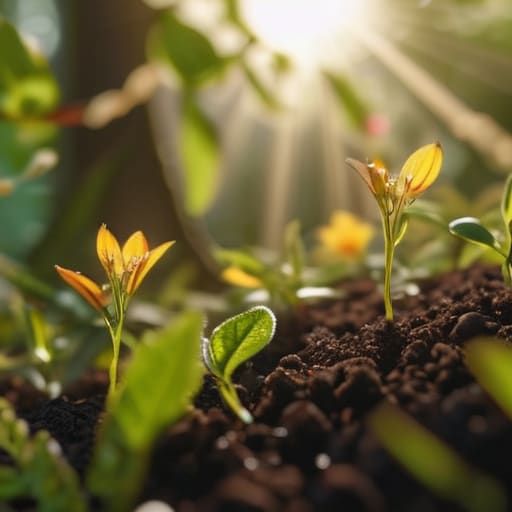
Think of the 50/30/20 rule explained as a way of tending to your financial garden, ensuring each plant gets exactly what it needs to thrive without overwhelming the soil. Instead of feeling restricted by rigid numbers, I like to view this method as a way of creating a rhythmic, natural flow for your money. You divide your after-tax income into three distinct categories: 50% goes toward your “needs”—those essential nutrients like rent, groceries, and utilities; 30% is reserved for your “wants,” which are the little blooms of joy that make life sweet; and the final 20% is dedicated to your future self.
By managing monthly expenses through this simple ratio, you prevent the feeling of scarcity that often comes with more complex systems. It’s not about deprivation; it’s about intentionality. This structure allows you to prioritize financial goal setting, such as building a cozy safety net or saving for a dream trip, without feeling like you’ve neglected the present moment. When we balance our spending this way, we honor both our current needs and our future growth.
Tracking Personal Spending Habits With Playful Curiosity
Now, I know what you might be thinking—the idea of watching every single penny can feel a bit heavy, almost like a chore you’ve been putting off. But I want to invite you to shift your perspective. Instead of viewing it as a strict audit, try tracking personal spending habits with the same gentle curiosity you’d use when observing a new sprout in your garden. When we look at where our money goes, we aren’t looking for “mistakes” to punish; we are simply gathering data to understand our current landscape. Are you pouring your resources into things that truly nourish your soul, or are they leaking away into habits that leave you feeling depleted?
I often find that when I sit down with my journal and a steaming cup of chamomile, the process feels less like math and more like mindful reflection. Whether you prefer using a sleek app or the tactile charm of the envelope system for budgeting, the goal is the same: awareness. By noticing these patterns, you stop reacting to your bank balance and start intentionally directing your energy. It’s about creating a beautiful, sustainable rhythm that supports the life you actually want to live.
Cultivating Your Financial Garden: 5 Seeds for Lasting Abundance
- Honor Your Fixed Expenses Like Seasonal Rhythms: Just as we prepare for the shift from summer to autumn, identify your “non-negotiables”—rent, utilities, and insurance. Recognizing these predictable patterns allows you to build a sturdy trellis for the rest of your financial growth to climb upon.
- Create a “Joy Fund” for Spontaneous Blooms: Budgeting shouldn’t feel like a drought. Set aside a small, intentional amount each month specifically for things that nourish your soul, whether it’s a new botanical book or a rare tin of jasmine tea. This prevents the burnout that comes from too much restriction.
- Prune Away the Financial Weeds: Every few months, take a gentle look at your recurring subscriptions and impulse buys. Just as we pull weeds to let the flowers breathe, canceling services you no longer use clears the way for more meaningful investments in your future.
- Set Sowing and Reaping Goals: It’s much easier to stay disciplined when you have a vision of the harvest. Define what you are saving for—perhaps a peaceful retreat or a rainy-day fund—so that every dollar tucked away feels like a seed planted for a future version of yourself.
- Practice Gentle Forgiveness During the Growing Season: There will be months when a sudden storm—an unexpected car repair or a medical bill—upends your plans. Don’t let a little frost discourage you; simply acknowledge the setback, adjust your soil, and begin planting again with fresh intention.
Tending Your Financial Garden

As we sit with these ideas, I hope you see that budgeting isn’t about rigid restrictions or denying yourself the sweetness of life. Instead, it’s about the gentle rhythm we’ve explored together—whether that’s finding your natural flow through the 50/30/20 rule or observing your spending habits with the same playful curiosity I use when testing a new batch of lavender salve. By understanding where your resources go, you aren’t just managing numbers; you are nurturing the soil of your future, ensuring that your essential needs are met while still leaving plenty of room for the little joys that make life feel so vibrant and full.
Remember, dear friend, that a garden doesn’t bloom overnight, and neither does a life of financial harmony. There will be seasons of abundance and seasons where you might need to prune back a few unnecessary expenses to help your core stability grow stronger. Be patient with yourself as you navigate this landscape. Treat your financial journey not as a chore to be completed, but as a sacred practice of self-care that honors your dreams and your peace of mind. Lean into the process, stay curious, and trust that by tending to your roots today, you are creating the space for a truly flourishing tomorrow.