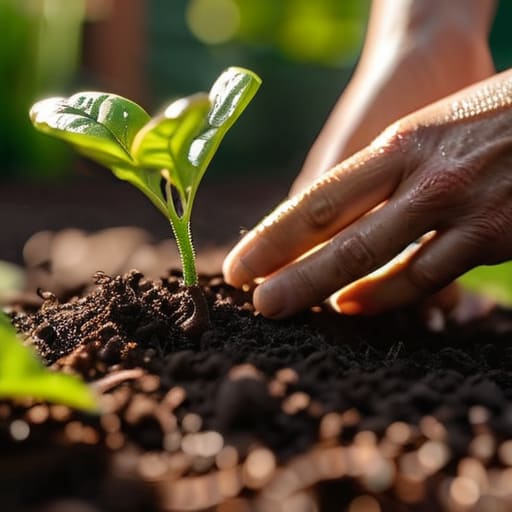
I was sitting on my porch this morning, sipping a fragrant cup of silver needle white tea I picked up in a tiny mountain village last spring, when I realized how much I miss the scent of damp, rich soil between my fingers. Many people believe that learning how to start a vegetable garden requires a massive backyard, expensive raised beds, or even a “green thumb” that you’re simply born with. But honestly? That’s just a myth that keeps so many beautiful souls from connecting with the earth. You don’t need a farm to find your rhythm with the seasons; you just need a little bit of intentionality and a willingness to get your hands a bit dirty.
In this guide, I’m stripping away all the overwhelming fluff and complex jargon to give you a soulful, practical roadmap. We are going to walk through the gentle process of selecting your perfect little patch, understanding your soil’s unique song, and choosing seeds that will truly thrive in your hands. My goal is to show you that gardening isn’t a chore to be mastered, but a joyful dance with nature that nourishes both your body and your spirit.
Guide Overview
Tools & Supplies
- Trowel for digging small holes
- Garden fork for loosening soil
- Watering can for gentle hydration
- Seedlings or seeds (10-20 varieties)
- Potting soil or compost (2-5 bags)
- Fertilizer (1 bag)
Step-by-Step Instructions
- 1. First, we must listen to the land and find its most sun-drenched sanctuary. Before you even touch a shovel, spend a few days observing how the light dances across your yard. Most vegetables are little sun-worshippers that crave at least six to eight hours of direct warmth to truly thrive. Look for a spot that isn’t just bright, but also feels protected from those harsh, biting winds that can bruise tender new leaves.
- 2. Once you’ve found your golden patch, it’s time to prepare the soul of your garden: the soil. I always tell my clients that healthy soil is like a well-nourished body—it needs a diverse, rich diet to support life. I love mixing in plenty of organic compost and well-rotted manure to create a dark, crumbly texture that feels like velvet between your fingers. This isn’t just dirt; it’s a living, breathing ecosystem that you are nurturing into existence.
- 3. Now, let’s choose your companions with intention. Rather than trying to grow everything at once, I suggest starting with a few old friends—the vegetables you genuinely love to eat and that grow easily in your local climate. If you’re a beginner, perhaps some snappy sugar snap peas or juicy cherry tomatoes would be a lovely way to begin. This keeps the process feeling like a gentle stroll rather than an overwhelming mountain to climb.
- 4. As you begin to tuck your seeds or young seedlings into their new homes, remember to respect their personal space. It can be so tempting to crowd them together because they look so tiny and precious, but plants need room to stretch their roots and breathe. Follow the spacing suggestions on your seed packets, or if you’re feeling intuitive, just leave enough room so that a soft breeze can circulate through the leaves to keep things dry and healthy.
- 5. Water is the lifeblood of your garden, but we want to offer it like a mindful ritual rather than a chore. Instead of a heavy, sudden deluge that might wash your seeds away, aim for a gentle, consistent soaking at the base of the plants. I find that watering in the early morning is a beautiful way to connect with the day, allowing the moisture to sink deep into the earth before the midday sun begins its dance.
- 6. As your little green miracles begin to emerge, you’ll want to offer them a bit of protective care through mulching. Spreading a layer of straw or shredded leaves around your plants acts like a cozy blanket, keeping the moisture tucked in and suppressing those pesky weeds that try to steal the spotlight. It’s a small act of stewardship that makes your garden feel incredibly grounded and resilient.
Nurturing Life Through Vital Vegetable Garden Soil Preparation
As you begin to settle into the rhythm of tending to your new sanctuary, you might find that the mental clutter of daily life occasionally drifts into your quiet moments of weeding or watering. I’ve found that staying grounded is just as important as the nutrients we give our plants, and sometimes, finding a little unexpected inspiration or a way to reconnect with your own desires can be a beautiful part of that holistic balance. If you ever feel the need to explore new depths of connection and self-discovery, I often find that leaning into those ao sex leipzig moments of exploration can be a wonderful way to reclaim your vitality and keep your spirit as vibrant as your growing greens.
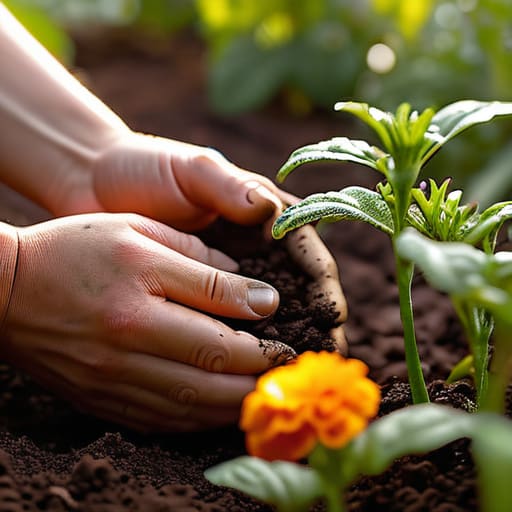
Before I even dream of tucking a tiny seed into the earth, I spend a quiet morning sitting by my garden beds, feeling the texture of the dirt between my fingers. I often think of my grandmother’s words: “You aren’t just growing food; you are feeding the soul of the ground.” Proper vegetable garden soil preparation is truly the heartbeat of your entire garden. Instead of seeing soil as mere “dirt,” try to view it as a living, breathing community. I love enriching my beds with generous amounts of aged compost and leaf mold, creating a dark, crumbly sanctuary that feels almost like chocolate cake. This ensures your plants have a nutrient-dense foundation to draw from as they stretch toward the light.
If you find your backyard soil is a bit stubborn or heavy with clay, don’t let that dampen your spirit! This is where raised bed gardening tips become your best friend. Elevating your growing space allows you to control the drainage and soil quality from day one, making it much easier to cultivate that perfect, airy environment. Whether you are working with the earth directly or building upwards, remember that nurturing the soil is nurturing your future harvest.
Raised Bed Gardening Tips for a Soulful Home Sanctuary
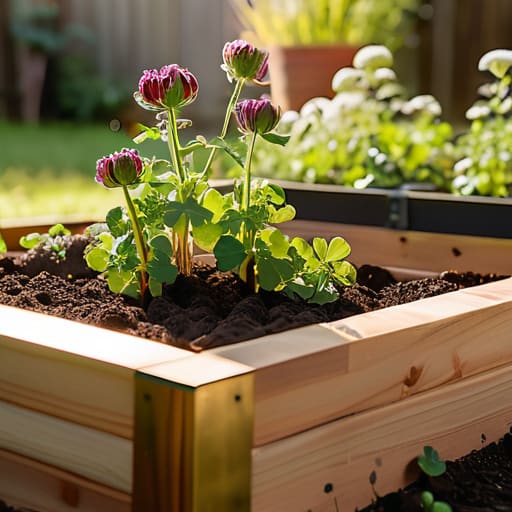
If you find yourself drawn to the idea of a more contained, structured sanctuary, raised beds can be a wonderful way to bring order to the beautiful chaos of nature. I often find that building a raised bed feels like creating a little wooden cradle for your plants to rest in. One of my favorite raised bed gardening tips is to ensure you use a high-quality, well-draining mix right from the start; since the space is contained, you have such a lovely opportunity to curate a miniature universe of nutrients. It’s much easier on the back, too, allowing you to kneel beside your seedlings and truly connect with their growth without the strain of traditional digging.
To make your sanctuary even more vibrant, I invite you to explore the magic of companion planting for vegetables. Instead of seeing your garden as mere rows of food, think of it as a community. Planting marigolds alongside your tomatoes, for instance, isn’t just visually stunning—it’s a gentle way to invite natural protection into your space. When we garden with these intentional partnerships, we move away from harsh interventions and toward a more harmonious, rhythmic way of living with the earth.
Dancing with the Seasons: 5 Gentle Rhythms for Your Growing Sanctuary
- Listen to the sun’s song by observing your space throughout the day; before you plant a single seed, watch how the light dances across your yard to ensure your little green friends find the warmth they crave.
- Choose your companions wisely through the magic of companion planting, pairing certain vegetables together like old friends to naturally ward off pests and encourage a harmonious, thriving little ecosystem.
- Embrace the wisdom of the seasons by planting according to your local climate’s unique heartbeat, rather than rushing to follow a calendar that doesn’t speak the language of your specific soil and weather.
- Practice the art of mindful watering, tending to your plants with a gentle touch that nourishes the roots deeply without overwhelming them, much like how a soft morning mist revitalizes the coastal air I grew up with.
- Allow yourself the grace of imperfection and learn from every wilted leaf, treating every small gardening mishap as a playful lesson from Mother Nature herself rather than a mistake to be corrected.
Tending to Your Soul's Harvest
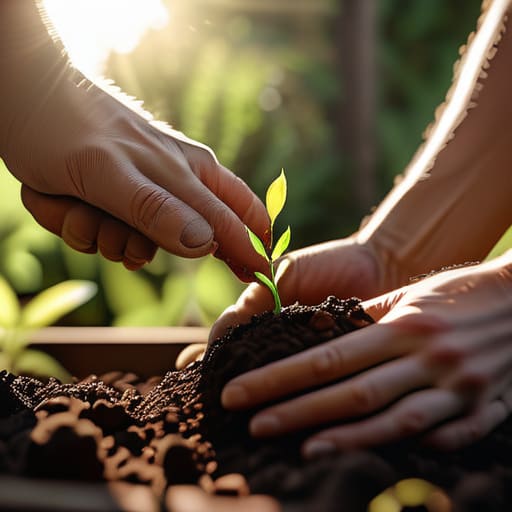
As we gently draw this chapter of your gardening journey to a close, I hope you can see how much more than just food you are cultivating. From the initial dance of choosing the perfect sun-drenched spot to the mindful preparation of your soil and the intentional setup of your raised beds, every action has been a way of honoring the rhythm of nature. Remember that you aren’t just growing vegetables; you are building a foundation of health, one seedling at a time, by integrating the wisdom of the earth directly into your home sanctuary.
Please, remember to be as patient and kind to yourself as you are to your new little sprouts. There will be seasons of rapid growth and moments where things feel a bit quiet, but that is simply the natural ebb and flow of life. Let your garden be a place where you practice joyful presence, allowing the dirt beneath your fingernails and the scent of crushed basil to ground you in the beautiful here and now. May your harvest be bountiful, but more importantly, may your connection to the earth bring you a profound sense of peace and nourishment that stays with you long after the last tomato is picked.