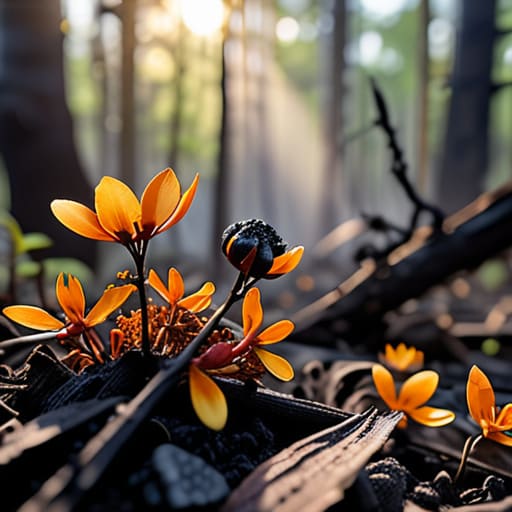
I was sitting in my garden last Tuesday, staring blankly at a patch of overgrown lavender, when I realized I couldn’t even find the energy to prune a single stem. I felt that familiar, heavy hollow in my chest—the kind that makes even the simplest task feel like climbing a mountain. We are constantly bombarded by these aggressive, “hustle-culture” gurus telling us that the secret to recovery is more grit, more early mornings, and more rigid schedules. But let me tell you, if you try to force a broken spirit into a strict regimen, you’ll only shatter it further. Learning how to rebuild discipline after burnout isn’t about slapping a heavy iron band around your life; it’s about gentle reclamation.
In this space, we aren’t going to chase those exhausting, high-octane productivity hacks that leave you feeling more depleted than when you started. Instead, I want to share the soulful, grounded methods I’ve gathered from both my studies and my grandmother’s kitchen to help you find your footing again. I promise to offer you nothing but honest, experience-based wisdom on how to invite structure back into your days through small, nourishing rituals that honor your nervous system. We are going to find your rhythm again, one quietly intentional step at a time.
Softening the Heart Through Recovery From Mental Exhaustion
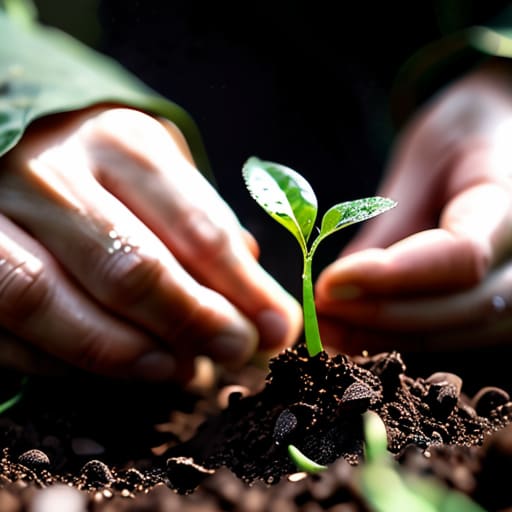
When we find ourselves in the thick of recovery from mental exhaustion, our first instinct is often to lash out at ourselves for our perceived “laziness.” I remember a time in my early twenties, traveling through the misty highlands of Scotland, when I realized that my mind wasn’t broken—it was simply overwrought. We tend to treat our willpower like a muscle that needs to be whipped into submission, but when you are navigating the heavy fog of burnout, that approach only creates more friction. Instead of demanding immediate results, try approaching your recovery with the same tenderness you would offer a wilting plant in your garden.
True healing begins when we stop viewing discipline as a punishment and start seeing it as an act of self-care. This is where gentle habit formation techniques become your most cherished allies. Rather than trying to overhaul your entire life overnight, focus on tiny, rhythmic movements—like the slow steeping of a chamomile tea or a five-minute morning stretch. By lowering the stakes, you allow your nervous system to feel safe enough to engage again, eventually reclaiming focus and motivation without the shadow of self-criticism looming over every small step.
Gentle Habit Formation Techniques to Invite New Growth
When we attempt to leap back into our old lives with full force, we often find ourselves stumbling over the very shadows of our exhaustion. Instead of trying to reclaim your entire schedule at once, I invite you to explore gentle habit formation techniques that feel more like a soft invitation than a strict command. Think of it like tending to a new seedling in my garden; you wouldn’t blast a tiny sprout with a high-pressure hose, would you? You’d offer it a steady, light misting. In the same way, start with “micro-rituals”—perhaps it’s just five minutes of morning sunlight or a single cup of chamomile tea before opening your laptop. These tiny wins are the building blocks of sustainable routine building, allowing your nervous system to feel safe enough to expand again.
As you move through this phase of reclaiming focus and motivation, remember that consistency is far more magical than intensity. If you miss a day, don’t let the inner critic take the reins. Simply breathe, acknowledge the fatigue, and return to your practice with kindness. By layering these small, intentional movements, you aren’t just checking boxes; you are slowly weaving a new tapestry of resilience that honors both your ambition and your need for peace.
Tending the Soil: Five Gentle Ways to Cultivate New Rhythms
- Listen to your body’s whispers before they become screams. Rebuilding discipline isn’t about forcing yourself into a rigid schedule; it’s about learning to recognize when you have the energy to bloom and when you simply need to lie fallow. True discipline is the wisdom to honor your capacity in the present moment.
- Start with “micro-rituals” that feel like a warm hug. Instead of trying to overhaul your entire morning, perhaps you just commit to five minutes of sitting with your herbal tea and watching the light change in your garden. These tiny, successful anchors create a sense of safety that makes larger habits feel possible later on.
- Replace the harsh inner critic with a nurturing observer. When you slip up—and you will, because we are human, not machines—try to approach yourself with the same compassion you’d show a wilted plant. Ask, “What does my spirit need right now to return to its center?” rather than “Why did I fail again?”
- Design your environment to be a sanctuary of ease. If you want to cultivate a habit of movement, leave your yoga mat rolled out in a sunbeam. If you want to focus, clear a small corner of your desk and add a sprig of dried lavender. Make the path of least resistance the one that leads toward your wellness.
- Find your rhythm in the natural cycles around you. Just as the moon wanes and waxes, our energy levels ebb and flow. Instead of fighting the ebb, use those quieter periods to focus on restorative tasks like reading or journaling, saving your more demanding pursuits for when your internal tide is coming back in.
Embracing the Slow Bloom
As we sit with these reflections, remember that rebuilding your discipline isn’t about swinging a heavy hammer to reshape your life; it is about the quiet, steady work of tending a garden. We’ve talked about the necessity of softening your heart when mental exhaustion feels heavy, and how to use gentle habit formation to invite new growth without overwhelming your nervous system. It’s about moving away from the rigid, punishing structures of the past and moving toward a way of living that honors your natural rhythms. By integrating these small, nourishing rituals, you aren’t just “getting back to work”—you are reweaving your relationship with yourself through intention and grace.
If you find yourself stumbling or feeling that old urge to push too hard, please, be kind to yourself. Even the most vibrant perennials need a season of dormancy to gather their strength for the spring. Discipline, in its truest and most holistic sense, is simply the act of showing up for your own well-being, day after day, with a sense of playful curiosity. Trust that you are exactly where you need to be on this path. May you move forward not with a sense of frantic urgency, but with the steady, quiet confidence of a tide returning to the shore.
As you begin to weave these small, intentional threads back into your daily tapestry, you might find that seeking a sense of community and shared wisdom makes the process feel much less lonely. I often find that leaning into the collective experiences of others can be a beautiful way to ground ourselves, and I’ve personally found so much inspiration in exploring resources like Housewives online to see how others navigate the delicate balance of modern life. It’s about finding those quiet pockets of connection that remind us we aren’t walking this path of reclamation alone, allowing us to grow at our own gentle, natural pace.