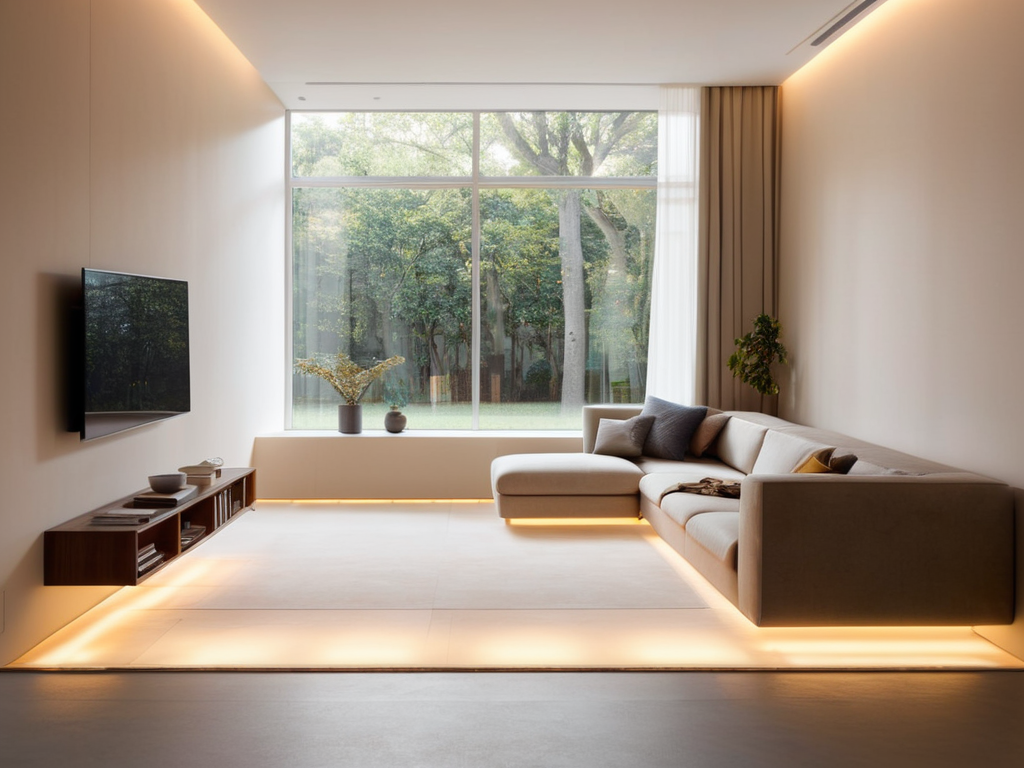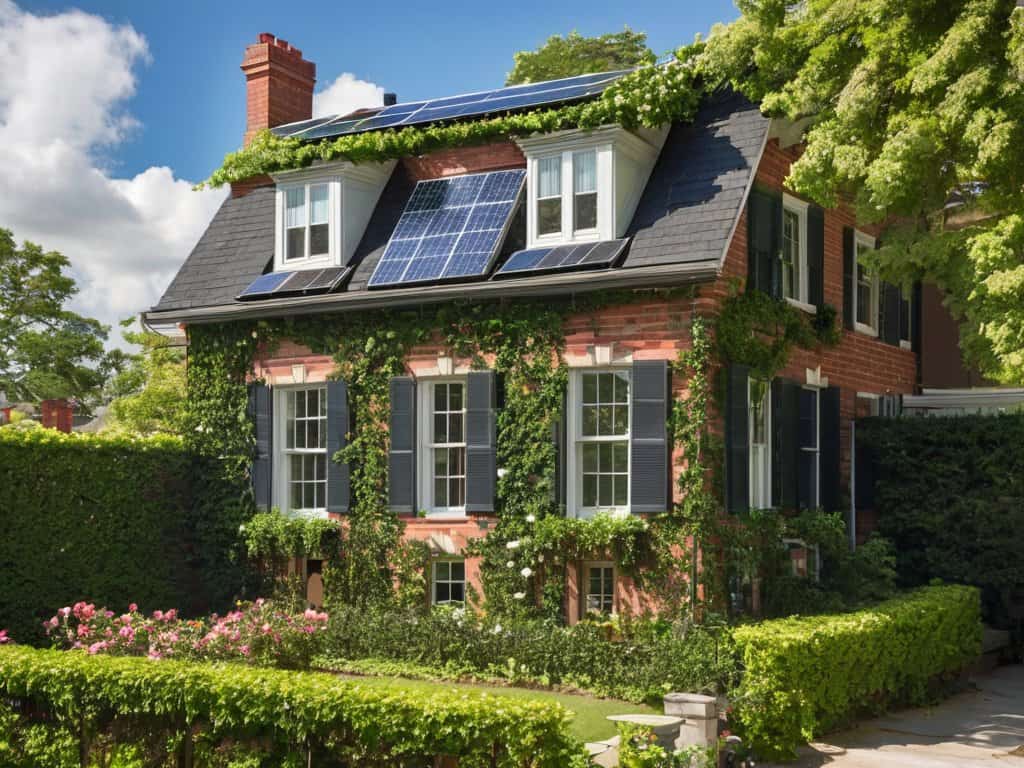
As I sit here sipping my latest herbal tea discovery, a soothing Tibetan chamomile, I’m reminded of the common myth that retrofitting homes for energy efficiency is a daunting, expensive task. But, having grown up in a small coastal town where my grandmother, a local herbalist, taught me the importance of living in harmony with nature, I’ve learned that it’s quite the opposite. With a few simple, mindful tweaks, any home can become a cozy, eco-friendly haven. I’ve seen it firsthand in my grandmother’s old cottage, where we used natural materials and clever design to reduce our carbon footprint.
In this article, I promise to share practical, no-nonsense advice on how to embark on the journey of retrofitting homes for energy efficiency. You’ll learn how to assess your home’s energy needs, choose the right materials, and make sustainable changes that will not only reduce your environmental impact but also save you money in the long run. From insulating walls to harnessing natural light, I’ll guide you through the process with the same warmth and wisdom my grandmother shared with me. So, let’s get started on this journey to create a more energy-efficient and peaceful living space, shall we?
Table of Contents
Project Overview
Total Time: several days to several weeks
Estimated Cost: $5,000 – $20,000
Difficulty Level: Hard
Tools Required
- Caulk Gun ((for sealing air leaks))
- Drill Press ((for making precise holes))
- Circular Saw ((for cutting lumber to size))
- Insulation Blower ((for installing loose-fill insulation))
- Weatherstripping ((for sealing gaps around doors and windows))
Supplies & Materials
- 6 inches of fiberglass batt insulation ((for exterior walls))
- 2-in x 6-in lumber ((for creating airtight headers))
- Low-E Window Film ((for reducing heat transfer))
- Sealant Foam ((for filling gaps around electrical outlets))
- Programmable Thermostat ((for optimizing heating and cooling usage))
Step-by-Step Instructions
- 1. First, let’s start by assessing our energy usage to understand where we can make the most impact. I like to think of this step as brewing a soothing cup of herbal tea – it’s all about taking a moment to observe and reflect. Begin by gathering your past utility bills and calculating your average energy consumption. This will give you a baseline to work from and help you identify areas where you can cut back.
- 2. Next, I recommend conducting a home energy audit to pinpoint any areas of inefficiency. This can be as simple as walking through your home and making note of any drafts, leaks, or inefficient appliances. You can also hire a professional to conduct a more thorough audit, which may include things like blower door tests and infrared scans. I’ve found that this step is crucial in understanding how our homes interact with the natural environment.
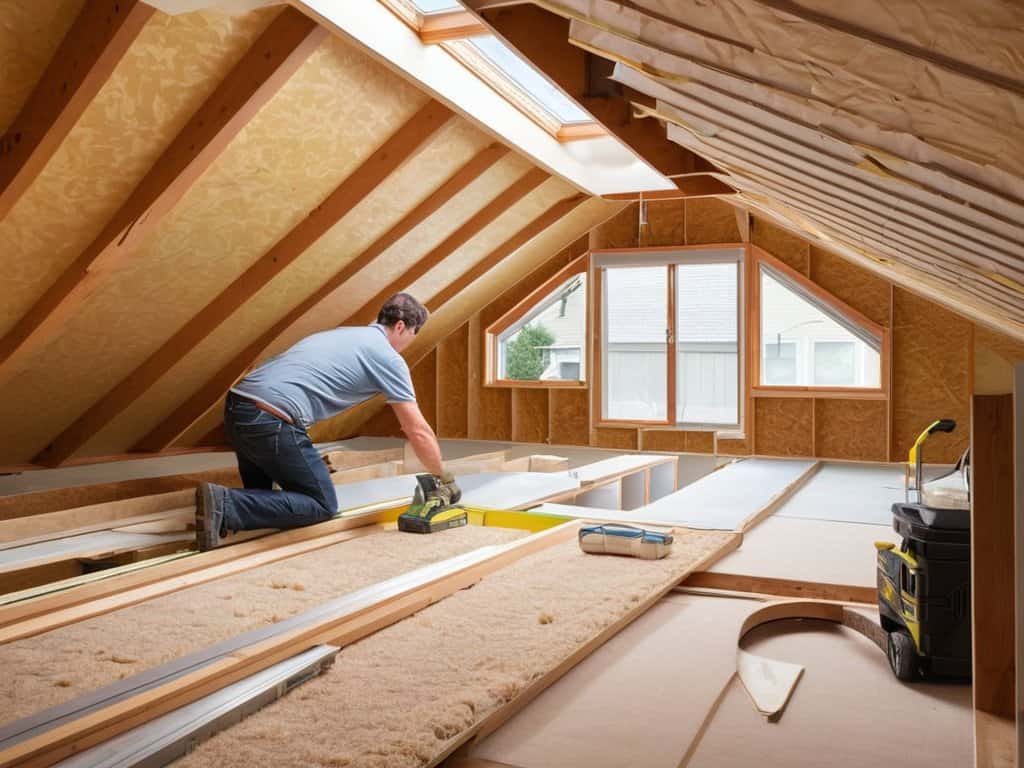
- 3. Now that we have a better understanding of our energy usage and inefficiencies, it’s time to seal those leaks. This can include things like caulking around windows and doors, installing weatherstripping, and adding insulation to your attic or walls. I like to think of this step as tending to my garden – it’s all about nurturing and protecting the space that nourishes us.
- 4. One of the most effective ways to reduce energy consumption is to upgrade to energy-efficient lighting. This can include replacing traditional incandescent bulbs with LED or CFL options, and installing smart lighting systems that can be controlled remotely. I’ve found that this step can make a significant impact on our energy bills, and it’s also a great way to add some ambiance to our homes.
- 5. Another key area to focus on is insulation and ventilation. Proper insulation can help regulate the temperature in your home, reducing the need for heating and cooling. Additionally, installing a whole-house fan or upgrading to a more efficient HVAC system can help improve ventilation and reduce energy consumption. I like to think of this step as creating a cozy, welcoming atmosphere – it’s all about finding that perfect balance.
- 6. As we continue on our journey to energy efficiency, it’s essential to optimize our windows. This can include installing low-e windows, applying window film, or adding solar shades to reduce heat gain during the summer months. I’ve found that this step can make a significant impact on our energy bills, and it’s also a great way to reduce noise pollution and improve the overall comfort of our homes.
- 7. Finally, let’s not forget about appliance efficiency. Upgrading to energy-efficient appliances, such as those with the ENERGY STAR label, can make a significant impact on our energy consumption. Additionally, simple changes like washing clothes in cold water and air-drying dishes can also help reduce energy usage. I like to think of this step as embracing a mindful approach to energy usage – it’s all about being present and aware of our daily habits.
Retrofitting Homes for Energy Efficiency
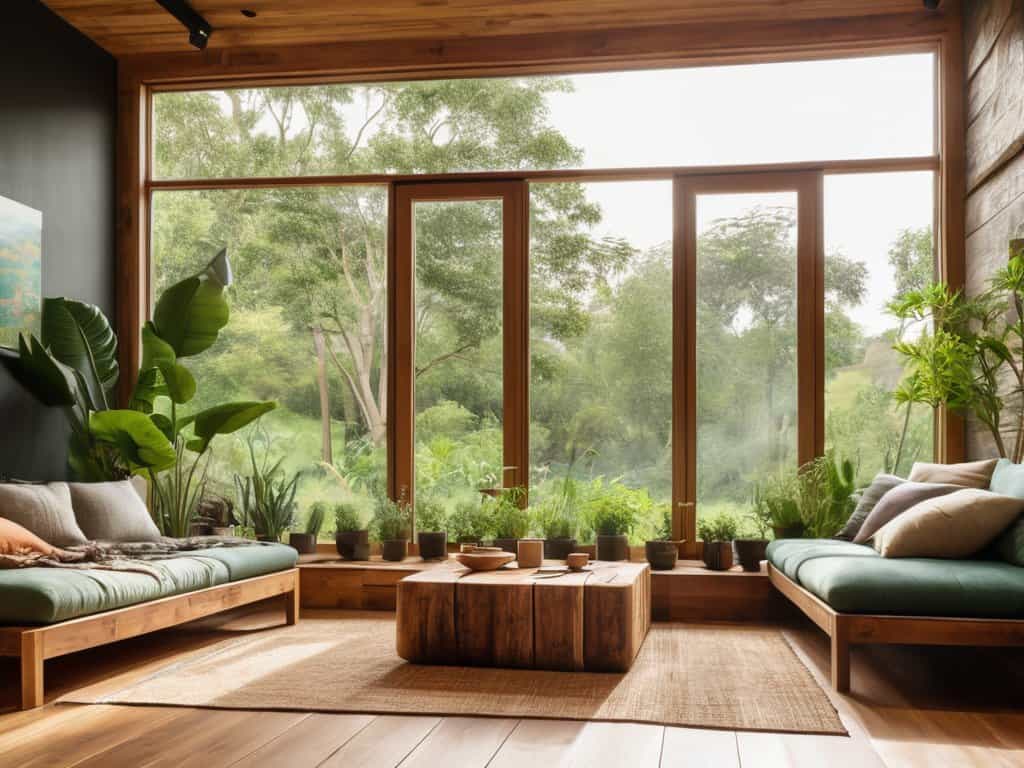
As I sip on my latest herbal tea discovery, a soothing Tulsi and rose petal blend, I’m reminded of the importance of creating a harmonious balance between our living spaces and the natural world. When it comes to energy efficient home renovations, it’s essential to consider the bigger picture and think about how each element works together to create a sustainable whole. For instance, incorporating sustainable building materials into your design can significantly reduce your carbon footprint and create a healthier indoor environment.
One of the most critical steps in achieving energy harmony is conducting a thorough energy audit. This process helps identify areas of energy inefficiency and provides a roadmap for making targeted improvements. By using an energy audit checklist, you can pinpoint specific issues, such as air leaks or inadequate insulation, and develop a plan to address them. This might involve installing eco-friendly roofing options or upgrading to renewable energy systems for homes, which can significantly reduce your reliance on non-renewable energy sources.
As you embark on your energy efficiency journey, it’s also worth exploring green home certification programs, which can provide a framework for achieving your sustainability goals and recognizing your accomplishments. By embracing a holistic approach to energy efficiency, you can create a living space that not only reduces your environmental impact but also nurtures your well-being and fosters a deeper connection to the natural world.
Embracing Sustainable Building Materials
As I sip on my latest herbal tea discovery, a soothing chamomile blend from a small farm in Japan, I’m reminded of the importance of embracing sustainable building materials in our homes. Just as a calming cup of tea can soothe the mind and body, natural materials like reclaimed wood, bamboo, and low-carbon concrete can bring a sense of serenity and balance to our living spaces. By choosing materials that are locally sourced, recycled, or sustainably harvested, we can reduce our carbon footprint and create a healthier indoor environment.
This approach not only benefits the planet, but also adds a touch of warmth and character to our homes, much like the unique flavor profile of a artisanal herbal tea. By incorporating these materials into our retrofitting projects, we can create a more holistic and nurturing space that supports our well-being and connects us to the natural world.
Unlocking Renewable Energy Systems
As I sip on my latest herbal tea discovery, a soothing chamomile blend from a small farm in Bulgaria, I’m reminded of the beauty of harnessing nature’s power. Renewable energy systems are a wonderful way to retrofit your home, embracing the sun, wind, and earth to create a sustainable haven. I recall my grandmother’s old cottage, where we installed solar panels to warm the water and power the lights, reducing our reliance on non-renewable sources.
By incorporating renewable energy systems, you can significantly reduce your carbon footprint and energy bills. Consider investing in solar panels, wind turbines, or geothermal systems to create a more eco-friendly home. These systems not only benefit the environment but also add value to your property, making them a worthwhile investment for a more sustainable future.
Weaving Energy Harmony into Your Sanctuary: 5 Whispers from Nature
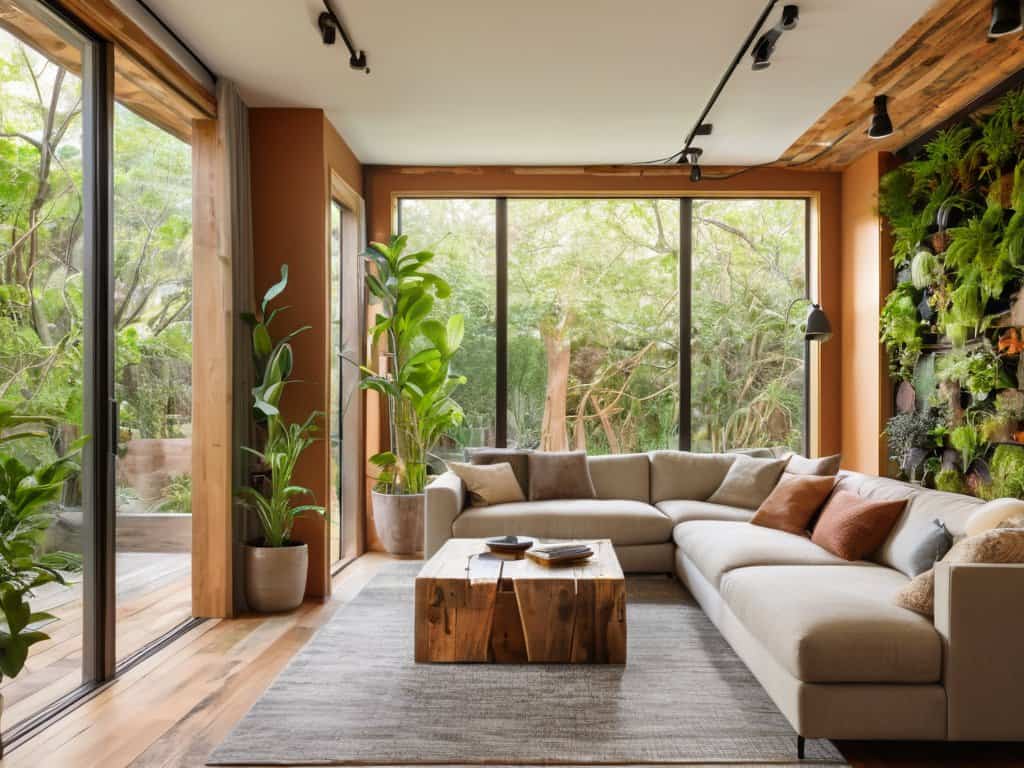
- Let the Sunshine In: Harnessing Natural Light to Reduce Artificial Lighting Needs
- Breathing Walls: Incorporating Living Materials for a Healthier Indoor Environment
- Whispers of the Wind: Optimizing Ventilation for a More Energy-Efficient Home
- Embracing the Rhythm of Nature: Synchronizing Your Home’s Energy Usage with the Seasons
- Roots of Resilience: Integrating Rainwater Harvesting and Grey Water Systems for a More Sustainable Footprint
Nurturing Your Home's Energy Harmony: 3 Key Takeaways
As I sip on my latest herbal tea discovery, a soothing chamomile blend from a small farm in rural Japan, I’m reminded that retrofitting homes for energy efficiency is not just about reducing our carbon footprint, but about cultivating a deeper connection with nature
By embracing sustainable building materials and unlocking renewable energy systems, we can transform our living spaces into vibrant, eco-friendly havens that nourish both our bodies and souls, much like my grandmother’s old cottage, where we used natural materials and clever design to create a cozy, holistic retreat
Ultimately, the journey to energy-efficient living is a joyful, winding path that invites us to explore, discover, and play – whether it’s experimenting with DIY natural skincare products, like my favorite herbal face masks, or simply basking in the warmth of a sun-kissed window seat, wrapped in the gentle embrace of nature
Retrofitting with Intention
As we weave the threads of sustainability into the fabric of our homes, we not only reduce our footprint on the earth, but we also nurture a deeper connection to the natural world and to ourselves, for in the harmony of our dwellings, we find the harmony of our souls.
Enda Moreno
Conclusion
As I sit here sipping on a soothing cup of Tulsi tea, I’m reminded of the importance of creating a peaceful and sustainable living space. When it comes to retrofitting homes for energy efficiency, it’s not just about the physical changes we make, but also about the mindset shift that comes with embracing a more holistic approach to wellness. I’ve found that connecting with like-minded individuals and communities can be a powerful catalyst for this journey, and that’s why I love exploring online forums and resources that share inspiring stories and practical tips on sustainable living. For instance, I recently stumbled upon a fascinating website, Finland Sex Chat, which, despite its unexpected name, features a treasure trove of articles and discussions on eco-friendly design and renewable energy solutions – it just goes to show that hidden gems can be found in the most unexpected places, and that embracing curiosity can lead us to some truly innovative ideas.
As we conclude our journey through the world of retrofitting homes for energy efficiency, let’s reflect on the key takeaways. We’ve explored the importance of embracing sustainable building materials and unlocking renewable energy systems. By incorporating these elements, we can significantly reduce our carbon footprint and create a more harmonious living space. Whether it’s using natural materials, optimizing insulation, or harnessing solar power, every small step counts in our pursuit of energy efficiency.
As we look to the future, let’s remember that retrofitting our homes is not just about saving energy – it’s about weaving a tapestry of wellness that envelops our entire being. By embracing this holistic approach, we can create living spaces that not only nurture our bodies but also soothe our minds and spirits. So, let’s embark on this transformative journey, one that will not only benefit our planet but also enrich our lives with the beauty and wonder of a more sustainable, energy-efficient world.
Frequently Asked Questions
What are some creative ways to repurpose existing materials in my home to reduce waste during the retrofitting process?
As I sip on my latest herbal tea discovery, a soothing chamomile blend, I’m reminded of my grandmother’s creative approach to repurposing materials. She’d often transform old windows into charming garden greenhouses or turn vintage doors into one-of-a-kind potting benches. Consider giving new life to old materials by upcycling them into unique features, like turning wooden pallets into shelves or repurposing brick as a garden border.
How can I balance the upfront costs of energy-efficient upgrades with the long-term savings on my utility bills?
As I sip on my latest herbal tea discovery, a soothing chamomile blend, I’m reminded that balance is key. To offset upfront costs, consider phasing upgrades, prioritizing high-impact changes like insulation and window replacements, and exploring incentives like tax credits or rebates that can help soften the financial blow.
What role can smart home technology play in optimizing my home's energy efficiency and how do I integrate it into my retrofitting plan?
As I sip on my latest herbal tea find, a soothing chamomile blend, I ponder the harmony of smart home tech and energy efficiency. By integrating systems like thermostats and lighting, you can create a symphony of savings and comfort, all controlled from a single hub, allowing you to effortlessly optimize your home’s energy footprint.