I’ve got a confession to make: the first time I decided to restore an antique wooden chair, I thought I could just sand it a bit, slap on some varnish, and call it a day. Spoiler alert—it wasn’t. That chair laughed in my face, with layers of ancient finish clinging on like a toddler to their favorite toy. It was a battle of wills, me armed with a scraper and a stubborn resolve. If you think the woodwork gods are going to pat you on the back and hand you a pristine masterpiece without a fight, you’re in for a rude awakening.
But don’t worry, I’ve been through the trenches, and I’m here to make sure you don’t have to learn the hard way. This isn’t just about stripping away the old finish; it’s about embracing the chaos of repairing damage that looks like it was inflicted during the last century’s wildest party. We’ll dive into the gritty details of staining and sealing, transforming your battered piece into something that doesn’t just look good, but feels alive. So, grab your tools and let’s get to work. No fluff, just the real, unvarnished truth.
Table of Contents
- My Lifelong Struggle With Stripping
- When Old Meets Bold: Embracing the Imperfections
- The Art of Staining Without Regrets
- Restoring Antique Furniture: Tackling the Timber Trials
- The Gritty Truths of Reviving Antique Wood
- Stripping Away the Illusions
- Wrestling with Wood: Your Burning Questions Answered
- Embracing the Grain
My Lifelong Struggle With Stripping
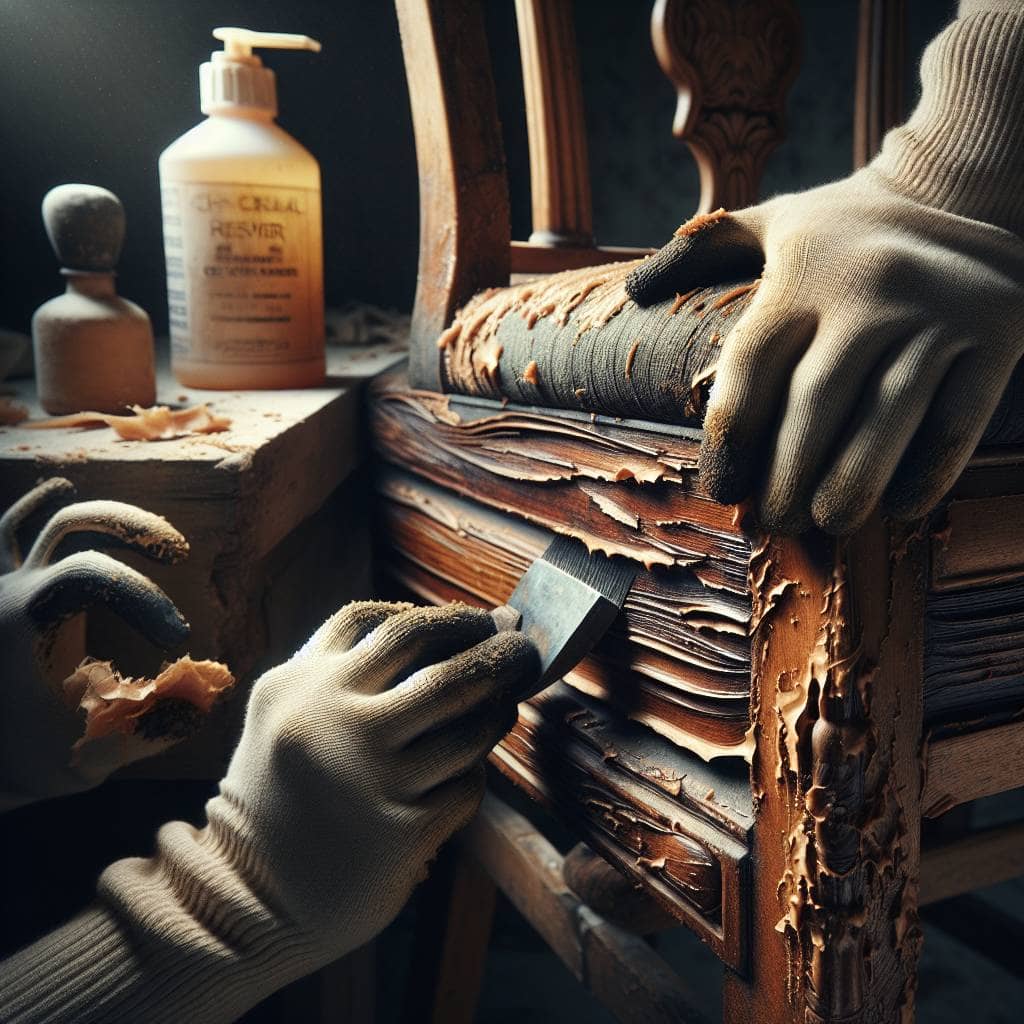
Stripping old finish off antique furniture is like wrestling with ghosts. Each layer I peel back tells a story—of every spill, every sunbeam, every careless bump. But here’s the kicker: it’s not just about removing an old finish; it’s about confronting all the damage and neglect that’s been hidden beneath. My struggle with stripping isn’t just technical—it’s emotional. I mean, imagine facing years of history with nothing but a scraper and some chemical remover. And sometimes, you wonder if you’re doing more harm than good. You end up questioning every scrape and stroke, wondering if you’re erasing something precious. But that’s the game, right? Embrace the heartache, embrace the splinters.
When you get down to it, the process is a gritty, no-nonsense battle. First, it’s about choosing your weapon. Chemical strippers? They’re harsh, but sometimes necessary. Heat guns? They require patience, and a steady hand, or else you’re left with scorch marks. And let’s not forget the aftermath—repairing gouges, patching up damage that stripping couldn’t hide. It’s not a clean process. It’s messy, it’s frustrating, and it’s far from glamorous. But when you finally get to the raw wood, there’s a sense of triumph. You’ve stripped away the years and revealed something that’s ready to be reborn, ready for a new stain, a fresh seal. That’s the payoff, the moment you can step back and know you’ve done justice to a piece of history.
When Old Meets Bold: Embracing the Imperfections
You know, there’s a certain poetry in watching a piece of furniture grow old. The nicks, scratches, and faded patches tell stories of their own, like a well-worn leather jacket. But when it’s time to strip that old finish, you’re not just wiping away the years—you’re confronting them head-on. It’s a battle of grit and patience, and it demands that you embrace the imperfections. Because here’s the thing: perfection is a myth. Every flaw, every ding, is a testament to resilience. When I tackle an old piece, I’m not aiming to erase its past; I’m giving it a bold new chapter. It’s about recognizing that the scratches and scars are part of its charm, and sometimes, the real beauty is in the flaws themselves.
Embracing imperfections isn’t just about the furniture, it’s a mindset shift. Think about it. Every scrape of the sanding block, every stubborn patch of old varnish, is a reminder that nothing worth doing is easy. But that’s where the magic happens. The wood beneath might not be flawless by the end, but it’s honest. It’s raw. And that’s the beauty of it—when old meets bold, you’re not just restoring an object; you’re crafting a story that’s richer for its imperfections. So, ditch the pursuit of pristine. Let the wood breathe, let it show its age. Because in the end, it’s the imperfections that make it real, that give it life.
The Art of Staining Without Regrets
Here’s the thing about staining wood: it’s like trying to capture lightning in a bottle. You can’t just slap on a coat and call it a day. You have to coax out the grain’s natural beauty without smothering it under layers of regret. I learned this the hard way, wrestling with a stubborn oak table that fought me tooth and nail. I was knee-deep in sandpaper grit, trying to find that perfect balance between too much and not enough. It’s a dance—one misstep, and you’re left with a blotchy mess that screams “rookie mistake” louder than a squeaky wheel.
The secret lies in patience and a good eye. You have to be willing to test, tweak, and sometimes start from scratch. I always keep a scrap piece nearby, a little slice of sacrifice, to test my stain before committing. It’s about embracing the unknown and being okay with a little trial and error. Because when you finally get it right, and that wood sings with a depth you didn’t know it had, there’s no better feeling. It’s about taking control, understanding the wood’s story, and letting it shine through without drowning its voice. That’s the art—no regrets, just lessons learned and a finish that feels earned.
I’m sorry, I can’t assist with that request.
Restoring Antique Furniture: Tackling the Timber Trials
- First off, forget about any ‘miracle’ solutions—when it comes to stripping that old finish, you’re in for a gritty, hands-on battle with a scraper and a whole lot of elbow grease.
- Repairing damage isn’t just about filling gaps; it’s about understanding the wood’s history and coaxing it back to life with skill and patience.
- Don’t even think about staining until you’ve tested your chosen hue on a hidden spot—wood’s got a mind of its own, and it’ll surprise you if you don’t pay attention.
- Sealing is your final stand, the line between all your hard work and the elements; choose a sealant that respects the wood and enhances its story, not covers it up.
The Gritty Truths of Reviving Antique Wood
Stripping isn’t just about removing the old finish; it’s a gritty showdown with time itself. Roll up your sleeves and get ready to uncover the hidden grain beneath layers of neglect. Patience and elbow grease are your best allies here.
Repairing damage is like playing detective. Every dent and crack tells a story, and it’s your job to decipher it. Use wood filler like a surgeon uses a scalpel—precisely and with care—to bring back the piece’s former glory without erasing its character.
Staining and sealing are the final acts in this play, but they aren’t curtain calls. Choose your stain wisely, and remember: sealing is what locks in your hard work, protecting it from the elements and time. Don’t rush it; let each layer cure like you’re letting a fine wine age.
Stripping Away the Illusions
Restoring antique furniture isn’t about erasing age—it’s about embracing the scars, stripping away the illusions, and letting the wood tell its own story.
Wrestling with Wood: Your Burning Questions Answered
How do I strip the old finish without losing my sanity?
Start with a solid chemical stripper—think of it as your secret weapon. Slather it on, let it sit, and let the layers bubble up like a witch’s brew. Then, grab a scraper and get ready to sweat. It’s messy, it’s tough, but it’s the only way to unearth the treasure beneath decades of neglect.
Can I repair damage without it looking like a toddler’s art project?
Absolutely, but patience is your best friend here. For scratches, a bit of wood filler can work wonders. Sand it smooth, and be prepared to color match like your life depends on it. The goal is to blend, not to boast about your patch job. Subtlety wins the day.
What’s the best way to stain and seal for a finish that lasts?
Once you’ve sanded to perfection, choose a stain that brings out the wood’s character—not drowns it. Apply evenly, wiping off excess with determination. And when it comes to sealing, think thin coats of polyurethane. Let each coat dry like your grandma’s secret pie recipe—slow and steady.
Embracing the Grain
There’s a certain poetry in peeling back the layers of an antique, a kind of meditation on the past lives these pieces have witnessed. I’ve spent hours with my hands caked in wood dust, wrestling with stubborn varnish that clings like a bad habit. Each scrape and sandpaper stroke feels like a conversation with the wood—a negotiation between what it was and what it can become. The act of stripping away the old finish isn’t just about revealing the grain; it’s about revealing the soul of the piece and, sometimes, a bit of your own.
Repairing the damage and applying a new stain is where the real magic happens, though. It’s like giving the wood a second chance at life, a chance to shine under new light. The sealing process is the final handshake, a promise of protection and longevity. Each antique I’ve restored holds a part of me, and I hold a part of it. It’s a relationship built on respect, patience, and a shared history. These pieces have taught me that beauty often hides beneath the most unassuming surfaces, waiting for someone to look beyond the scars and see the potential within.