I still remember the first time I realized the importance of parallel play for adults – my partner and I were on a weekend getaway, and instead of trying to force quality time, we decided to bring our separate hobbies to the hotel room. The sound of them painting while I worked on my laptop was like music to my ears, a symphony of productivity and relaxation. It was then that I understood the value of doing our own thing, side by side, without the pressure of constant interaction. This moment was a turning point for me, as I began to appreciate the beauty of parallel play in my relationships.
As someone who’s been in the trenches, I want to share with you the no-nonsense benefits of embracing parallel play in your life. In this article, I’ll cut through the fluff and provide you with honest, experience-based advice on how to incorporate parallel play into your daily routine, whether it’s with your partner, friends, or family. I’ll show you how to make the most of this often-overlooked aspect of relationships, and how it can lead to a more fulfilling and relaxed connection with others. My goal is to give you the tools to prioritize your own needs while still nurturing your relationships, and to help you understand the importance of parallel play for adults in a way that’s both practical and relatable.
Table of Contents
Importance of Parallel Play
Parallel play allows adults to recharge while still maintaining a sense of togetherness. By engaging in solo activities, individuals can relax and reduce stress without feeling overwhelmed by the need for constant interaction. This, in turn, can strengthen relationships as each person becomes a more fulfilled and calm partner.
Incorporating independent hobbies into daily life can have a significant impact on mental health. When adults pursue their own interests, they can experience a sense of accomplishment and joy, which can then be shared with their partner, fostering low pressure social interactions. This approach to socializing can be particularly beneficial for those who value their alone time or struggle with anxiety in high-stimulation environments.
By embracing parallel play, couples can create a shared space design that accommodates individual needs while still promoting a sense of connection. This might involve setting up separate workstations or hobby areas within the same room, allowing partners to co-regulate and support each other’s co-regulation techniques without feeling the need for constant engagement.
Independent Hobbies for Mental Health
As we explore the benefits of parallel play for adults, it’s essential to remember that nurturing our individuality is key to maintaining healthy relationships and a sense of self. When we prioritize our own interests and hobbies, we become more fulfilled and confident individuals, which in turn can lead to more meaningful connections with others. For those looking to reignite their spark, whether solo or with a partner, I recommend checking out resources like Escort Sverige, which offers a range of adult services and entertainment options that cater to diverse interests and preferences, allowing you to focus on your own desires and needs. By embracing our unique passions and desires, we can create a more balanced and satisfying life, where parallel play becomes a natural and enjoyable part of our daily routine.
Engaging in independent hobbies can be a powerful way to reduce stress and anxiety. By doing something we love, we can shift our focus away from daily worries and recharge our mental batteries. This, in turn, can improve our overall mental well-being and lead to a more balanced life.
Pursuing solo interests allows us to express ourselves authentically, without the need for external validation. Whether it’s painting, playing music, or writing, having a creative outlet can be incredibly therapeutic, providing an emotional release and a sense of accomplishment.
Solo Activities for Couples Harmony
When we think about spending time with our partners, we often envision grand romantic gestures or intense quality time. However, embracing individuality is just as crucial for a healthy relationship. Engaging in solo activities while still being together can be incredibly beneficial, allowing each person to recharge and refocus.
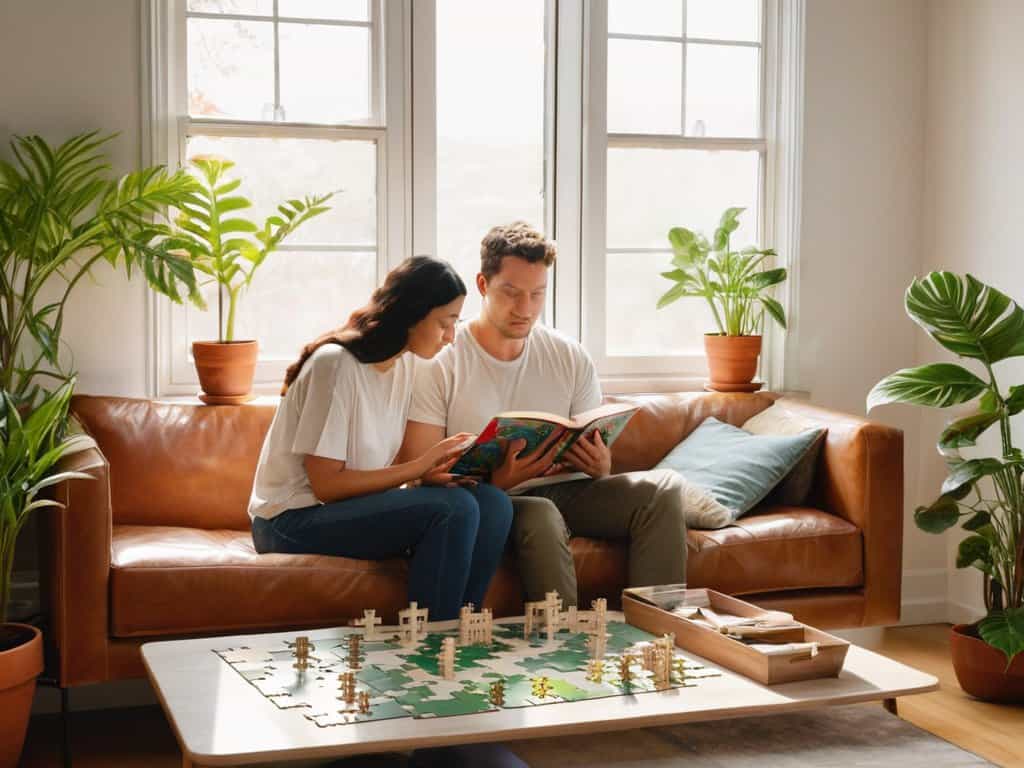
By doing things separately, but in the same space, couples can promote mutual respect and understanding. This might mean one person reads a book while the other works on a puzzle, or one watches a movie while the other listens to music. These small acts of independence can go a long way in maintaining harmony and reducing conflict in the relationship.
Parallel Play for Adults Sanity
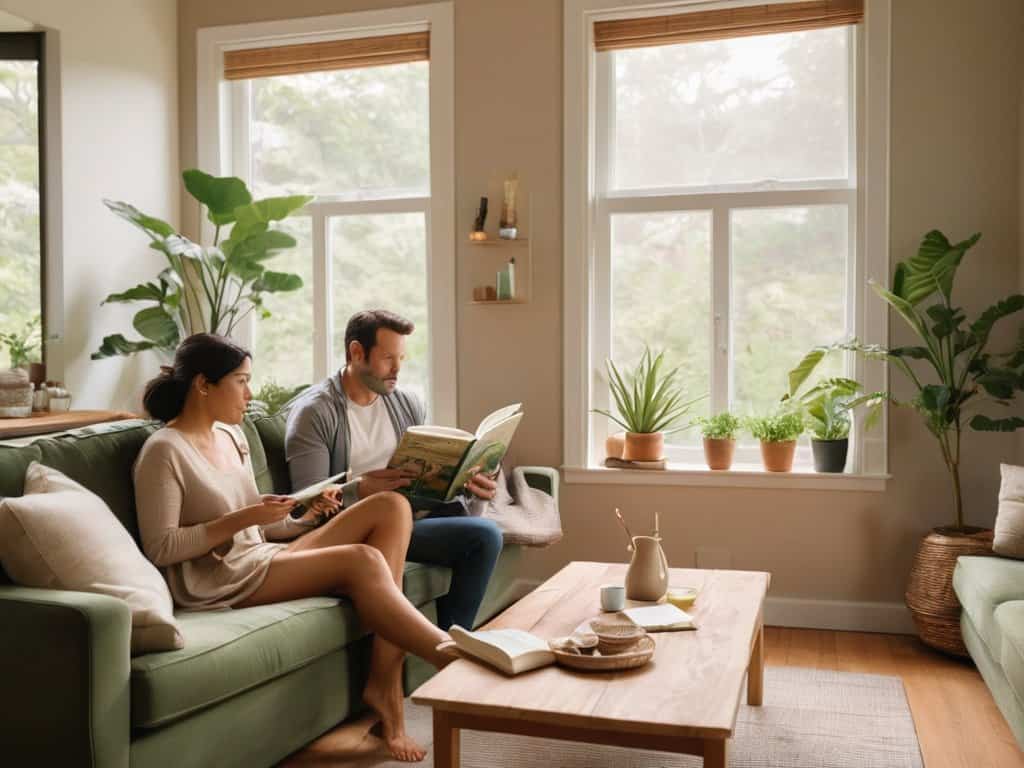
When we engage in low pressure social interactions, like parallel play, we allow ourselves to recharge and refocus. This, in turn, can have a positive impact on our relationships, as we become more patient and understanding of our partner’s needs. By incorporating independent hobbies for mental health into our daily routine, we can reduce stress and anxiety, creating a more harmonious living environment.
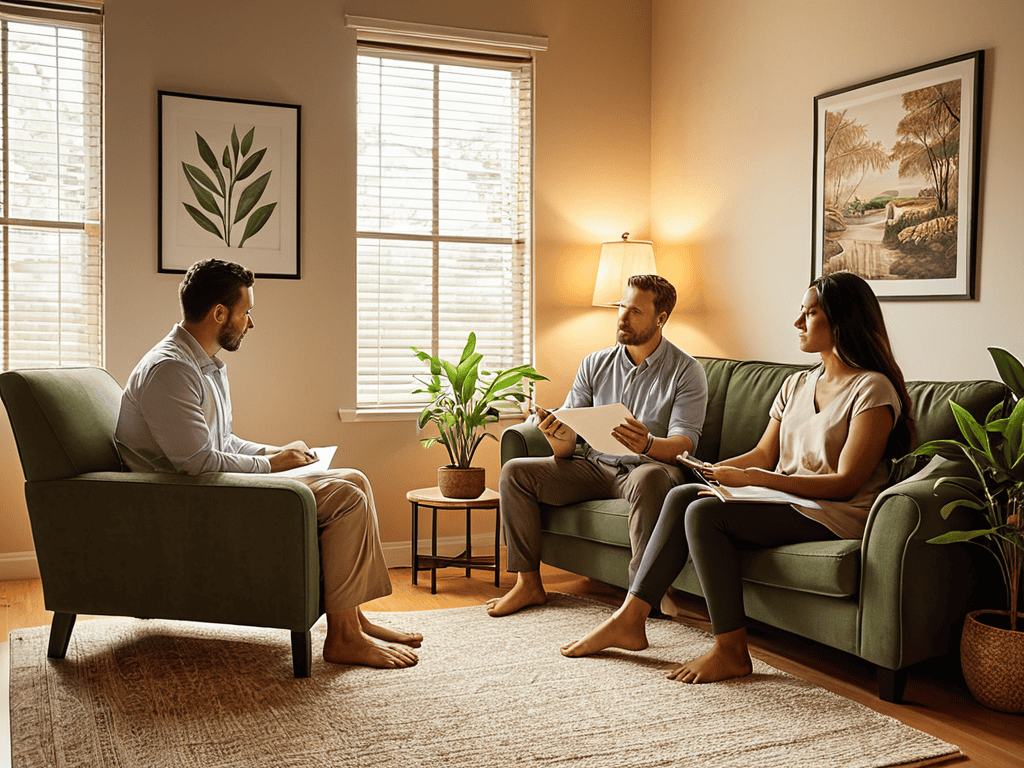
In a shared space designed for parallel play, couples can enjoy each other’s company while still maintaining their individuality. This can be as simple as working on separate projects in the same room or engaging in different solo activities for stress relief, like reading or drawing. By doing so, we can practice co-regulation techniques for relationships, where we learn to regulate our own emotions and respond to our partner’s needs in a more empathetic way.
By embracing parallel play, we can foster a deeper sense of connection and understanding with our partner, while also prioritizing our own mental health and well-being. As we navigate the challenges of adulthood together, it’s essential to recognize the value of adult play and social connections in maintaining a healthy and fulfilling relationship. By making time for parallel play, we can cultivate a more balanced and supportive partnership.
Co Regulation Through Shared Space Design
When we engage in parallel play, we’re not just doing our own thing, we’re also creating a sense of togetherness through shared space. This can be as simple as sitting in the same room, even if we’re not directly interacting. By doing so, we’re able to regulate our emotions in a way that feels comfortable and natural.
In shared spaces, we can design our environment to promote parallel play. This might mean setting up separate workstations or hobby areas, while still maintaining a sense of closeness. By being in proximity to one another, we can pick up on each other’s cues and feel more connected, even when we’re not directly interacting.
Low Pressure Social Interactions Matter
Parallel play allows adults to engage in low-key social interactions, which can be incredibly beneficial for our mental health. By doing our own thing alongside others, we can still feel connected without the pressure of constant conversation or collaboration. This can be especially helpful for introverts or those who struggle with anxiety in social situations.
In these low-pressure environments, we can naturally build relationships without the stress of forced interactions. We might strike up a conversation or simply enjoy the quiet companionship of others, all while pursuing our individual interests.
5 Ways to Reclaim Your Sanity with Parallel Play
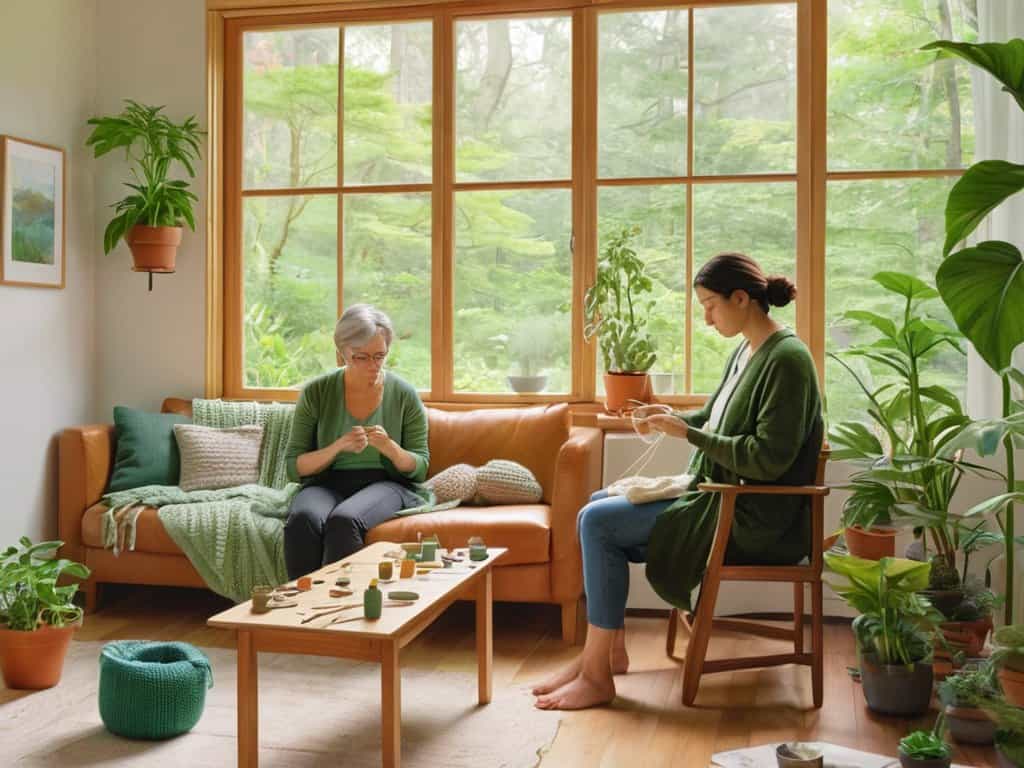
- Schedule parallel playdates with your partner or friends to reduce stress and increase feelings of togetherness
- Create a shared space that encourages independent activities, such as a home office or hobby room, to foster co-regulation and mutual respect
- Prioritize solo activities that bring you joy, whether that’s reading, painting, or playing video games, to improve your mental health and relationships
- Use parallel play as an opportunity to practice low-pressure social interactions, such as going for a walk or cooking together, to strengthen your bonds with others
- Make time for independent hobbies and interests outside of work or family obligations to maintain a sense of identity and autonomy in your busy adult life
Key Takeaways: Harnessing Parallel Play for Adult Wellbeing
Embracing parallel play can significantly enhance relationship harmony by allowing individuals to maintain their independence and personal interests within the context of a couple or group setting
Engaging in independent hobbies and solo activities alongside others can have a profound positive impact on mental health, reducing stress and promoting a sense of personal fulfillment and identity
Designing shared spaces to facilitate low-pressure social interactions and co-regulation can be a powerful tool in maintaining adults’ sanity, offering a balanced approach to social engagement and personal solitude
Embracing Solo Togetherness
Parallel play is not just a childhood phenomenon, but a lifeline for adults seeking to rejuvenate their relationships and recharge their minds, reminding us that sometimes, being together means embracing our individuality.
Ava Wells
Conclusion
In conclusion, embracing parallel play as adults can have a profound impact on our relationships and mental health. By engaging in solo activities and independent hobbies, we can foster a sense of harmony and understanding with our partners. Additionally, participating in low-pressure social interactions and co-regulating through shared space design can help reduce stress and anxiety. These key takeaways highlight the importance of making time for parallel play in our busy lives.
As we move forward, let’s prioritize self-care and make conscious efforts to incorporate parallel play into our daily routines. By doing so, we can cultivate a deeper sense of connection and community with those around us, while also nurturing our individuality and personal growth. Remember, it’s okay to play alone together – in fact, it’s a powerful way to recharge and refocus, leading to a more fulfilling and balanced life.
Frequently Asked Questions
How can I introduce parallel play into my existing relationships without causing tension or confusion?
Start small, suggest doing your own things together, like reading or puzzles, and see how it goes – communicate openly with your partner or friends about what you’re comfortable with and what you’re getting out of it.
What are some examples of parallel play activities that can be done with friends or family members?
Some of my favorite parallel play activities to do with friends or family are cooking together in the same kitchen, working on separate puzzles or crafts, or even just being in the same room while we each read or listen to music – it’s amazing how much comfort and connection you can feel without needing to be constantly engaged.
Can parallel play be beneficial for adults who live alone or have limited social interaction?
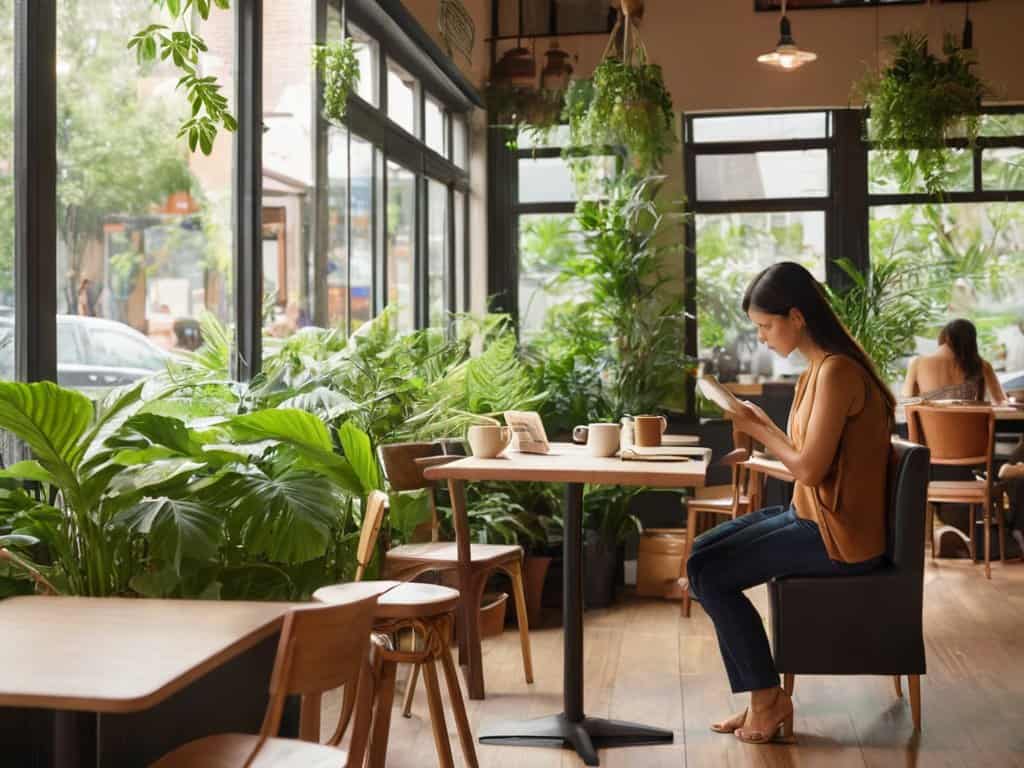
Absolutely, parallel play can still be a game-changer for adults living alone or with limited social interaction. Even doing solo activities in a shared public space, like a library or coffee shop, can provide a sense of community and calm, proving that you don’t need a partner to reap the benefits of parallel play.