
I was sitting in a tiny, sun-drenched tea shop in Kyoto last spring, sipping on a delicate jasmine infusion, when I realized how much we overcomplicate the art of movement. We’ve been sold this myth that navigating a foreign city requires a rigid, stressful mastery of complex schedules and expensive private transfers, but honestly? That just drains your spirit before the day has even truly begun. Learning how to use public transport abroad shouldn’t feel like a high-stakes exam; it should feel like a rhythmic dance with the local heartbeat. When we approach a subway system or a regional bus with tension instead of curiosity, we miss the very magic we traveled so far to find.
Sometimes, when the sensory overload of a bustling terminal starts to feel a bit heavy, I find that leaning into the unexpected connections we make during our travels can be quite grounding. Whether it’s a shared smile with a fellow commuter or a chance encounter that sparks a new perspective, embracing the human element of transit helps keep us centered. If you find yourself craving a bit more connection or perhaps a playful distraction while waiting for your next connection, exploring a bit of MILF sex chat can be a lovely way to embrace your own curious spirit and find a little spark of joy amidst the rhythm of your journey.
I want to strip away the overwhelm and share the grounded, practical wisdom I’ve gathered from my own wanderings. I’m not here to give you a dry manual of rules, but rather a soulful guide to finding your flow amidst the chaos of foreign stations and winding transit lines. I promise to share my most honest, experience-based secrets for navigating these systems with ease, so you can spend less time staring at maps and more time embracing the beautiful, unexpected journey ahead.
Navigating Foreign Subway Systems Like a Local Soul
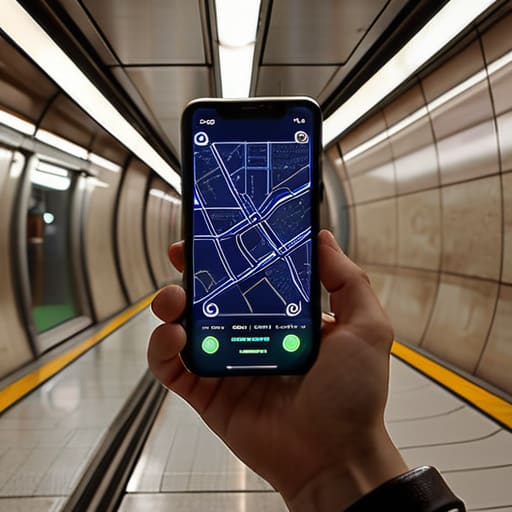
Stepping into a sprawling underground metro station for the first time can feel a bit like entering a subterranean labyrinth, can’t it? I remember my first time in Tokyo; the sheer scale of the station felt overwhelming, almost like a physical weight against my chest. But I’ve learned that navigating foreign subway systems isn’t just about getting from point A to point B—it’s about finding your own internal rhythm amidst the rush. Before you descend into the belly of the city, I always recommend downloading a few reliable international transit apps for travelers. Having that digital compass in your pocket acts like a soothing cup of chamomile for the soul, quieting that little flicker of travel anxiety.
Once you’re on the platform, take a deep, grounding breath. Instead of rushing to keep up with the frantic pace of the commuters, try understanding foreign transit signage as if you were deciphering an ancient, colorful map. The symbols and colors often tell a story of their own. If you find yourself lost, don’t panic; just look for a moment of stillness. Most commuters are surprisingly kind if you approach them with a gentle smile and a bit of patience.
Understanding Foreign Transit Signage Through Intuition and Observation
Sometimes, when I find myself standing before a glowing terminal in a bustling station, I feel a momentary flicker of hesitation. It’s as if the symbols and colors are speaking a language my eyes can’t quite translate. In those moments, I’ve learned to stop squinting at the text and instead start watching the flow of people. There is a beautiful, rhythmic intelligence in how a crowd moves; if everyone is drifting toward a specific gate with a sense of purpose, that is your compass. Understanding foreign transit signage becomes less about literal translation and more about reading the silent choreography of the commuters around you.
I often find that my most meaningful discoveries happen when I step away from my phone. While international transit apps for travelers are wonderful lifelines, they can sometimes act as a veil between us and the environment. I like to treat every icon and color-coded line as a little puzzle to be solved with a gentle, observant mind. If a sign features a bright yellow circle or a specific geometric shape, look for those same patterns on the platform or the ticket machines. By leaning into this playful observation, you transform a potentially stressful moment into a mindful exercise in connection.
Finding Your Inner Compass: Five Gentle Rhythms for Smooth Travels
- Embrace the “Slow Down” Philosophy: When you step onto a crowded bus in a city you don’t know, your instinct might be to rush and scramble. Instead, take a deep, grounding breath. Allowing yourself an extra five minutes to observe the flow of people before you move helps prevent that frantic energy from taking root.
- Curate Your Digital and Physical Safety Net: Just as I wouldn’t start a new herbal infusion without knowing its properties, don’t enter a new transit system without a map. Download an offline map on your phone, but also keep a small, handwritten note of your hotel’s address in the local language. There is a lovely, tactile peace of mind that comes from having a physical backup.
- Honor the Local Tempo: Every city has its own heartbeat. In some places, the metro is a silent, meditative space; in others, it’s a vibrant, noisy symphony. Watch how the locals carry themselves—whether they are standing still or moving with purpose—and try to harmonize your own energy with theirs.
- Carry Small Tokens of Currency: There is nothing quite as jarring as reaching a ticket kiosk only to find it doesn’t accept the large bills you’ve tucked away. Keep a small pouch of local coins and small notes handy, much like I keep a little jar of dried chamomile for unexpected moments of tension.
- Let Go of the Need for Perfection: You might take a wrong turn, or end up on a train heading the opposite direction of your destination. Don’t view these as mistakes, but as unexpected detours in your journey. Sometimes, the most beautiful parts of a culture are discovered when we are slightly, wonderfully lost.
Embracing the Rhythm of the Journey
As we wrap up our little exploration, I hope you feel a sense of lightness about stepping onto those bustling foreign platforms. Remember, mastering public transit isn’t just about memorizing a map or deciphering a complex subway schedule; it’s about blending practical preparation with a gentle, observant spirit. By leaning into your intuition when reading signage and finding your flow within the local transit systems, you turn what could be a stressful hurdle into a meaningful part of your adventure. Whether you are navigating a high-speed rail in Japan or a charming, slow-moving tram in Portugal, remember that every ticket purchased and every wrong turn taken is simply part of the beautiful, messy dance of discovery.
At the end of the day, I like to remind myself that the destination is rarely the most nourishing part of a trip. It’s the quiet moments of connection—the shared glance with a local commuter or the rhythmic hum of a train crossing a bridge at sunset—that truly feed our souls. So, as you prepare to wander through new lands, I encourage you to approach every transit delay or winding route with playful curiosity rather than frustration. Treat the world’s movement as a mirror to your own inner journey, and remember that wellness is found in the flow, not just the arrival. Safe travels, dear hearts!