I’m so tired of seeing “creativity gurus” sell expensive, high-tech brain training apps like they’re some kind of magic pill for genius. They treat your mind like a piece of hardware that needs a software patch, but that’s total nonsense. The truth about neuroplasticity in creative vision isn’t found in a $500 subscription; it’s found in the messy, repetitive, and often frustrating work of actually doing the thing. You don’t need a biohacking kit to rewire your brain; you just need to stop listening to the people who make a natural biological process sound like a sci-fi movie.
I’m not here to give you more fluff or academic jargon that leaves you feeling more confused than when you started. Instead, I’m making a deal with you: I’m going to share the raw, unpolished reality of how you can actually leverage your brain’s ability to change. We’re going to skip the hype and focus on the practical, experience-based tactics that actually move the needle for your creative output. Let’s get to work.
Table of Contents
Forging New Neural Pathways and Imagination
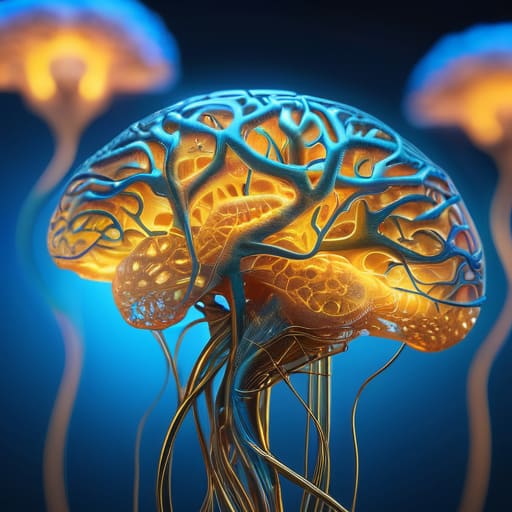
Think of your imagination not as a static reservoir, but as a muscle that physically reshapes itself through use. When you push past a creative block, you aren’t just struggling with an idea; you are actively rewiring the creative brain. Every time you force yourself to visualize a complex scene or experiment with a dissonant color palette, you are strengthening the connections between disparate regions of your cortex. This isn’t just metaphor—it’s the biological reality of building neural pathways and imagination into a cohesive, high-speed engine for innovation.
This process is often messy and uncomfortable. True growth happens in that friction point where your current skills fail to meet your vision. By intentionally practicing mental imagery techniques, such as vividly constructing a landscape in your mind before touching a brush, you are essentially pre-loading your neurons for the physical act of creation. You are training your brain to bridge the gap between a fleeting thought and a tangible masterpiece, turning what used to be a lucky spark into a reliable, repeatable cognitive habit.
Neurogenesis and Artistic Skill Building the Visionary Brain
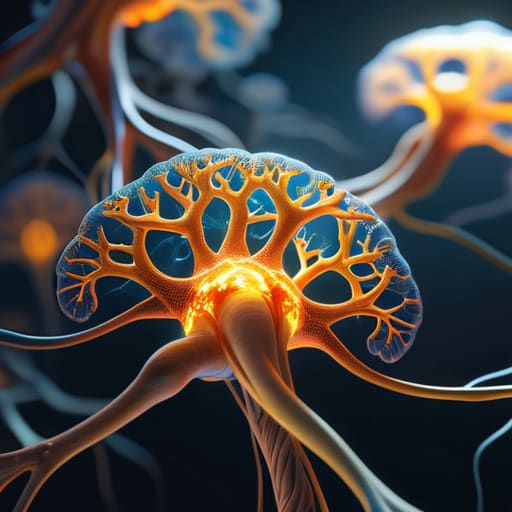
If you think of your brain as a static hard drive, you’re missing the most exciting part of the creative process. We aren’t just moving files around; we are actually growing new hardware. This is where neurogenesis and artistic skill intersect in a way that feels almost like magic. When you push yourself to master a difficult technique—whether it’s a complex brushstroke or a dissonant chord progression—you aren’t just practicing a movement; you are stimulating the birth of new neurons in the hippocampus. This biological renewal provides the raw material needed to expand your expressive range.
But growing new cells is only half the battle; you have to teach them how to dance. This is where cognitive flexibility for artists becomes your greatest superpower. It’s the ability to pivot when a medium resists you or to see a shape where others see empty space. By constantly challenging your habitual patterns, you ensure that these new neurons integrate into a network that favors innovation over repetition. You aren’t just learning a craft; you are literally building a more sophisticated engine for your imagination.
Hack Your Hardware: 5 Ways to Force a Creative Rebrand
- Embrace the “Ugly Phase” of Learning. When you tackle a new medium, your brain initially struggles to find the right connections. Instead of quitting when it feels messy, lean into that frustration; that mental friction is the literal sensation of your neurons attempting to bridge a new gap.
- Practice Radical Cross-Training. If you’re a writer, pick up a chisel. If you’re a painter, try coding. By forcing your brain to translate abstract concepts across different sensory modalities, you prevent neural stagnation and build a more robust, multi-dimensional creative toolkit.
- Prioritize Sleep as a Creative Catalyst. You don’t “make” art just while you’re awake. During deep sleep, your brain performs the heavy lifting of synaptic pruning and memory consolidation, effectively “saving” the new neural connections you forged during your practice sessions.
- Micro-Dose Novelty. Routine is the enemy of neuroplasticity. Break your habitual patterns—take a different route to your studio, use a non-dominant hand for sketches, or listen to unfamiliar genres. These small disruptions force your brain out of autopilot and back into a state of active adaptation.
- Engage in Mindful Observation. Most people look, but few actually see. By spending intentional time observing the minute details of light, shadow, or texture, you are training your visual cortex to prioritize high-fidelity data, strengthening the pathways that feed your imaginative faculty.
The Creative Rewiring Blueprint
Creativity isn’t a fixed trait you’re born with; it’s a physical structure in your brain that you can actively reshape through deliberate, repetitive practice.
To unlock visionary thinking, you have to move beyond comfort zones to trigger neurogenesis, essentially forcing your brain to build the hardware required for high-level imagination.
Mastery is a biological process of strengthening neural connections, meaning every hour spent honing your craft is literally hardening the pathways of your creative intuition.
## The Architecture of Intuition
“Creativity isn’t some mystical lightning bolt hitting a static target; it’s the physical act of carving new canyons into your own mind, turning a single spark of an idea into a permanent landscape of thought.”
Writer
The Architect of Your Own Mind
It is also worth noting that neuroplasticity isn’t just about solitary mental exercises; it thrives on diverse sensory input and real-world engagement. Sometimes, breaking out of your habitual patterns requires stepping into completely different social or physical environments to stimulate those dormant connections. If you find yourself looking for ways to expand your social horizons or explore new interpersonal dynamics, looking into adult sex contacts can actually serve as a potent catalyst for sensory recalibration, forcing your brain to navigate complex, unscripted human interactions that keep your cognitive flexibility sharp.
At its core, the journey of creative evolution isn’t just about practicing a craft; it’s about the physical restructuring of your internal world. We’ve explored how neuroplasticity allows you to forge new pathways of imagination and how neurogenesis provides the biological raw material to sharpen your artistic intuition. You aren’t stuck with a static set of mental tools. Instead, every moment of deep focus and every leap into the unknown is an opportunity to recalibrate your neural architecture, turning the abstract fog of inspiration into a structured, high-functioning engine of vision.
So, don’t fear the friction that comes with learning something difficult or the frustration of a creative block. That tension is often the biological signal that your brain is pushing against its current boundaries to expand them. Your capacity for vision is not a fixed inheritance, but a living, breathing landscape that you have the power to reshape. Embrace the discomfort of the new, because every time you challenge your perspective, you are quite literally building a more visionary version of yourself. The canvas is ready, and more importantly, so is your brain.
Frequently Asked Questions
Can I actually "force" my brain to be more creative through specific repetitive exercises, or is there a biological limit to how much I can rewire?
You can definitely “force” the process, but it’s less like a hammer and more like resistance training. Repetitive exercises—like forced perspective drawing or divergent thinking drills—act as the heavy lifting that signals your brain to build new connections. However, you aren’t fighting an infinite upward curve. You’ll hit a biological ceiling shaped by your genetics and age, but that ceiling is much higher than most people realize. It’s about optimization, not infinite expansion.
Does the neuroplasticity gained from one medium, like painting, actually transfer to other creative pursuits like writing or music?
The short answer? Absolutely. While you aren’t magically inheriting a pianist’s finger dexterity through a paintbrush, you are upgrading your brain’s operating system. When you master one medium, you’re training your neural architecture to handle pattern recognition, disciplined focus, and the ability to translate abstract concepts into reality. That “creative muscle” is universal; once you learn how to bridge the gap between thought and execution, that cognitive agility carries over to whatever instrument or pen you pick up next.
How much does age play a factor—is it significantly harder to forge these new neural pathways once I'm past my twenties?
Here’s the truth: the “window of opportunity” is a massive myth. While your brain is more like wet clay in childhood, it doesn’t turn into concrete just because you hit thirty. Yes, the biological heavy lifting requires more intentionality as you age, but neuroplasticity doesn’t have an expiration date. You might need more focused repetition to spark those new connections, but your capacity for visionary growth remains wide open. Don’t let a number stall your evolution.